Israelis vote to break wartime deadlock with no clear winner expected
Arab parties may hold the balance of power in a fragmented parliament, potentially delaying the formation of a new government for weeks.
By Noah Rao ·
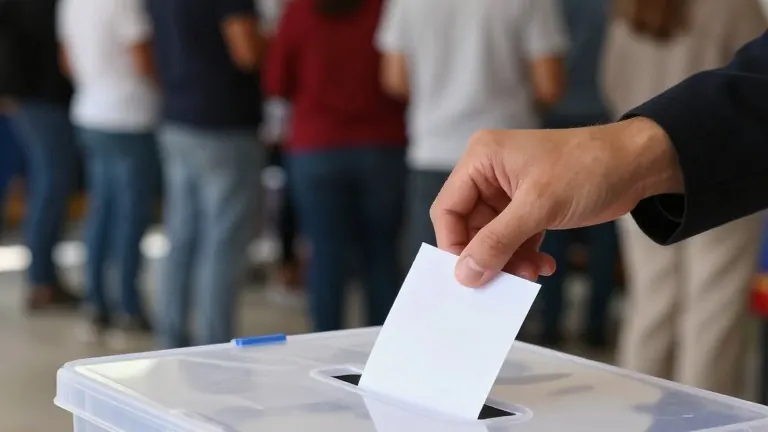
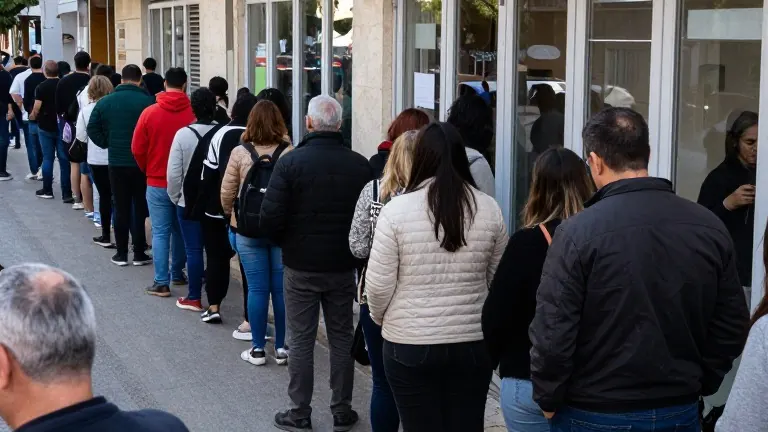
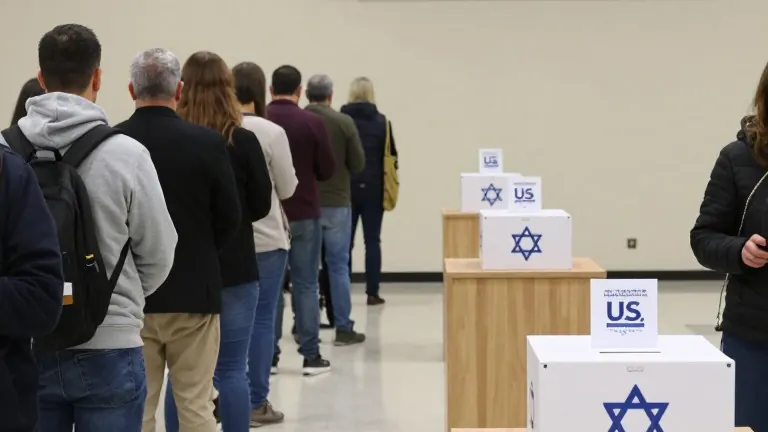
Israeli citizens went to the polls on Tuesday to determine the next prime minister, casting ballots in a country still grappling with unresolved conflicts. The vote marks the first national election since the October 7, 2023, Hamas attack, which ignited a war in Gaza and expanded hostilities across the region. For many voters, the day represents a chance to redefine the nation's direction after a turbulent four-year term under Prime Minister Benjamin Netanyahu.
Opinion polls indicate a tight contest with no single party poised to secure a parliamentary majority. Israel’s political system requires leaders to form coalitions, and current projections suggest that neither Netanyahu’s religious and ultranationalist bloc nor the opposition camp has enough support to rule alone. This structural impasse places significant weight on nonaligned Arab parties, who could become kingmakers if they choose to support one candidate over the other. If neither side reaches the threshold, weeks of negotiations may be required before a government is declared.
Prime Minister Benjamin Netanyahu faces his main rival, former military chief Gadi Eisenkot. Netanyahu’s supporters view him as a steady hand who has guided Israel through multiple wars while protecting the country’s Jewish identity. They argue he has kept an interventionist judiciary in check. His detractors criticize him as a polarizing leader who prolonged the Gaza war and hostage crisis for political gain. They accuse him of weakening democratic institutions and allowing ultra-Orthodox men to avoid compulsory military service.
Eisenkot, whose son and two nephews were killed in Gaza, is viewed by his backers as a leader with strong security credentials. Supporters believe he and his likely coalition partners can act as a bulwark against illiberal trends. Parties expected to support Eisenkot have pledged to improve Israel’s international standing, conscript ultra-Orthodox men, and bolster the independence of the judiciary.
Tensions with Iran loom large over the campaign. Netanyahu ramped up threats against Tehran ahead of the vote, appearing in a video this week beside a missile-defense battery. He warned that Iran would face a devastating blow if it attacked Israel. In Tel Aviv, families of those killed on October 7 or former hostages held a moment of silence before polls opened. Yona Adam, whose daughter Mapal Adam was killed, urged the public to remember those whose voices are no more.
The election also serves as a referendum on the character of the state. Israelis are choosing between a model heavily influenced by religious and nationalist forces and one more firmly anchored in liberal and secular values. In Kiryat Shmona, a Netanyahu stronghold near the Lebanese border, emotions ran high as one man tore down a poster of Eisenkot. The outcome will shape a country that has faced growing isolation, with public support in the United States dropping and partners in Europe imposing sanctions in recent months.
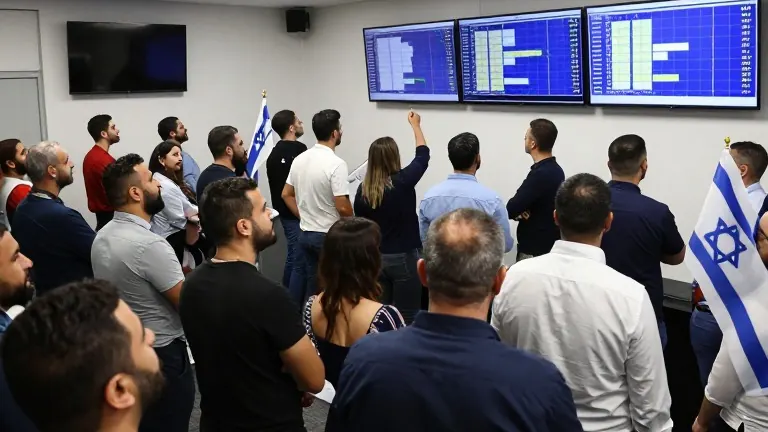
The voting process reflects a deeply divided electorate. While some see the vote as a chance to restore stability, others view it as a test of democratic resilience. The fragmented nature of the Knesset ensures that the final decision on who leads the country will depend on post-election bargaining rather than a single mandate. The result will determine whether Israel continues with its current wartime leadership or pivots toward a new political configuration.
Source: KSAT-TV