Lula Defies Polls to Retain Brazil Presidency
The 80-year-old leader secured 51.8 percent of the vote in a second-round runoff that ended a regional streak of right-wing electoral gains.
By Diego Ross ·
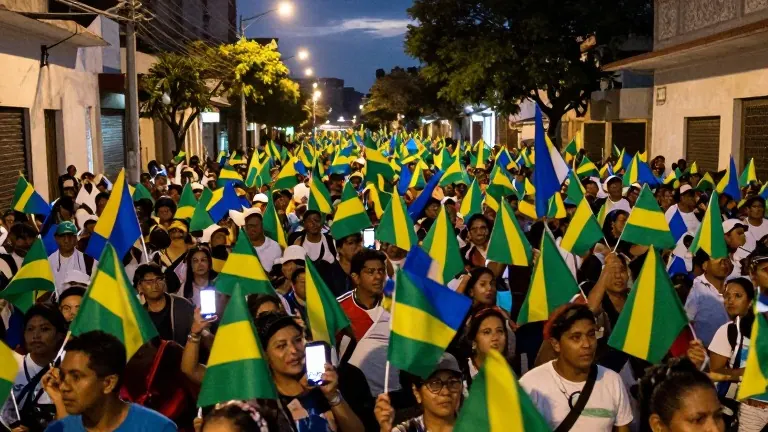
Luiz Inacio Lula da Silva has retained the presidency of Brazil, winning 51.8 percent of the vote against Flavio Bolsonaro in the second-round election held this week. The 80-year-old leader defeated his opponent by a margin of 3.6 percentage points, a result that contradicted pre-election forecasts and ended a campaign defined by a dramatic late surge.
The path to this victory began with an unexpected first-round shock. Lula initially trailed Flavio Bolsonaro, the son of former President Jair Bolsonaro, by a two-point margin, losing 45 percent to 47 percent. That result prompted a three-week mobilization effort by Lula’s Workers’ Party. The campaign shifted focus from standard economic messaging to an existential debate over democracy and national sovereignty, appealing to grassroots support from younger voters.
Lula entered the race with a strong domestic record to defend. Between 2023 and 2025, the Brazilian economy grew by a cumulative 9.2 percent, outpacing the 5.6 percent average of neighboring South American countries. Unemployment dropped from 9.3 percent in 2022 to a historic low of 5.4 percent in 2026. The country also exited the United Nations Hunger Map in 2025, while Amazon deforestation levels fell to their lowest point in decades.
Despite these macroeconomic indicators, social discontent persisted. Millions of Brazilians remained burdened by credit-card debt and high interest rates, while the expansion of online gambling strained family finances. In response, Lula announced sweeping debt-relief measures, restrictions on online betting, and a transition to a five-day work week. These policies aimed to address immediate economic anxieties that had not been resolved by broader growth figures.
Flavio Bolsonaro campaigned on a platform of fiscal austerity and aggressive security measures. He proposed building five maximum-security prisons modeled on the system in El Salvador and authorizing lethal force against armed criminals. His agenda also included plans to pardon his father, who is serving a 27-year sentence for plotting to overturn the 2022 election, and to grant clemency to those convicted of the January 8, 2023 assault on Brazil’s democratic institutions.
The election took place against a backdrop of intense US involvement in Brazilian politics. President Donald Trump’s administration imposed punitive tariffs, sanctioned a Brazilian Supreme Court justice, and openly supported Flavio Bolsonaro’s candidacy. In May, Trump received Flavio Bolsonaro in the Oval Office. Shortly after, Secretary of State Marco Rubio designated Brazil’s two largest crime organizations as foreign terrorist organizations, a move Flavio had publicly requested.
These designations have implications for regional security policy, potentially allowing for US military operations under the banner of fighting narcoterrorism. Lula has argued that such cooperation must respect national sovereignty, framing the election as a choice between a sovereign Brazil and one subordinated to Washington’s agenda. His victory interrupts a series of right-wing electoral wins in Honduras, Chile, and Bolivia that had followed Trump’s return to the White House.
The outcome affects the political balance across Latin America. President Javier Milei of Argentina, who backed Flavio Bolsonaro, is currently sliding in the polls ahead of next year’s election. In Chile, President Jose Antonio Kast has seen a sharp decline in public support. With Brazil and Mexico, the region’s two largest economies, remaining under left-leaning leadership, the momentum of the regional rightward shift appears to be stalling.
Source: Al Jazeera