Service Sector Workers Decide Brazil's Presidential Fate
A shift from factory jobs to delivery work is altering the political allegiance of Brazil's working class ahead of Sunday's run-off.
By Diego Ross ·
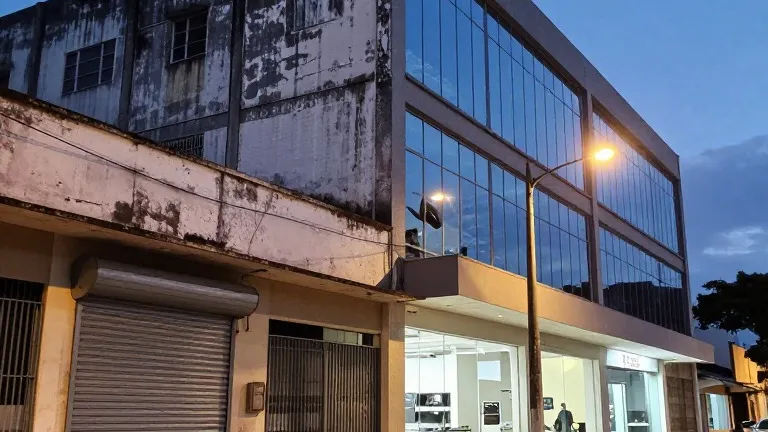
Brazilians face a choice between President Luiz Inácio Lula da Silva and former mayor Flávio Bolsonaro this Sunday, a decision now heavily influenced by the rise of the gig economy. In Osasco, a municipality that supported Lula in 2022 but voted for Bolsonaro in the October first round, closed metal and textile factories have been replaced by shopping malls and delivery app headquarters. This physical transformation mirrors a broader labor shift that is challenging Lula's traditional base of organized industrial workers.
The political calculus has changed as many voters now earn their living as drivers, food couriers, or small traders. Gilberto Almazan, who leads a local metalworkers' union, describes this trend as an 'Uber-isation' of the workforce. He argues that these workers prioritize flexibility over the collective welfare benefits Lula has historically offered. Richard Lapper, a biographer of both candidates, notes that Brazil industrialized late and deindustrialized early, creating a sharper economic dislocation than seen in older industrial nations.
This structural shift has contributed to a crisis of expectations. Although unemployment hit a record low and Brazil was removed from the UN’s Hunger Map during Lula’s term, voters report feeling the strain of high prices, household debt, and interest rates. Robson, a 53-year-old civil servant who previously supported Lula, blames the government’s tax burden, while Tairine, a hot dog seller, says she is switching her vote because conditions feel unchanged since 2023. In the first round, 33 million Brazilians abstained from voting, the highest number since 1998.
Lula’s campaign is responding by mobilizing large street rallies, including one in São Paulo that reportedly drew one million people. The 80-year-old president has also taken to social media to counter narratives about his age, labeling himself the 'king of selfies.' Flávio Bolsonaro, who won the first round nationally, has proposed cutting government spending and ministries while retaining key welfare programs. He has denied corruption accusations and is supported by a growing evangelical bloc that values his stance on family and opposition to abortion.
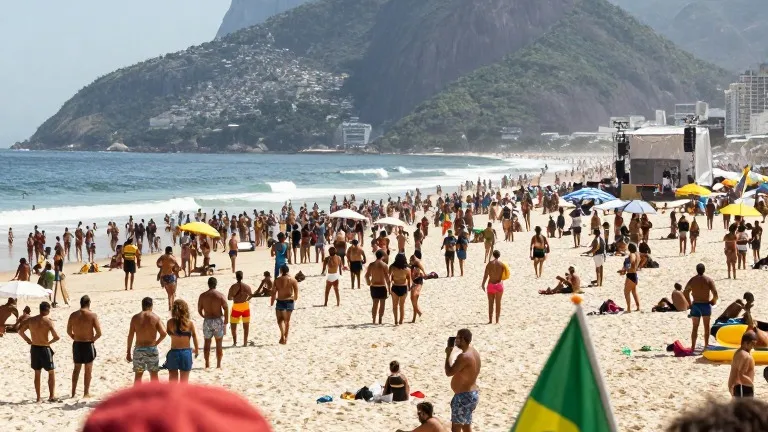
Among the poorest voters, however, Lula’s welfare record retains its power. In the Maré favela in Rio de Janeiro, Lula still won despite high abstention rates. Vitoria, an 18-year-old mother earning under 300 pounds a month, cites the minimum wage increase and free essential medicines as reasons for her support. She expresses concern about Bolsonaro’s plan to designate the Comando Vermelho gang as a terrorist organization, citing police raids in Rio last year that killed more than 130 people. As the final vote approaches, the outcome will depend on whether voters perceive Lula as capable of adapting to a new economic reality or if they view the shift to service jobs as a permanent break with his legacy.
Source: BBC News
More Politics · World news · Report a business · Got a Story?