Taiz Water Costs Spike 75% as Houthi Siege Cuts Supply Lines
Families in Yemen's third-largest city are now stretching 10 liters of water over four days, while fuel shortages strain hospitals and food prices rise.
By Karim Ramirez ·
Yemen's third-largest city has struggled with water scarcity for over a decade, but humanitarian groups say the situation has deteriorated into a crisis in recent weeks. Iran-backed Houthi rebels have tightened their siege on Taiz as their conflict with government forces intensifies. This escalation has left the city's more than one million residents with barely adequate supplies of essential goods.
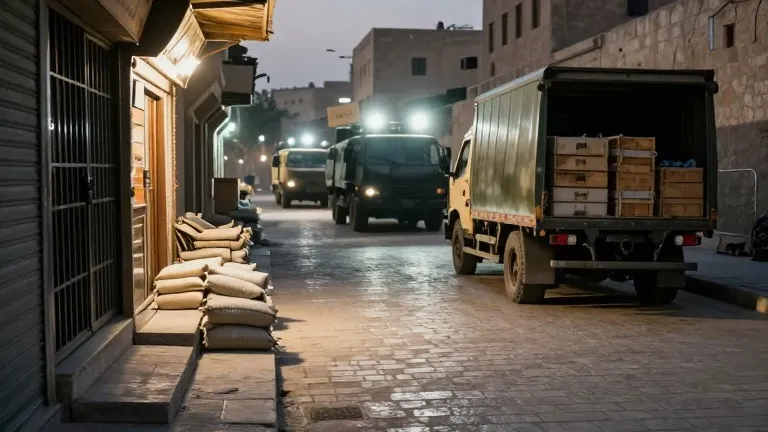
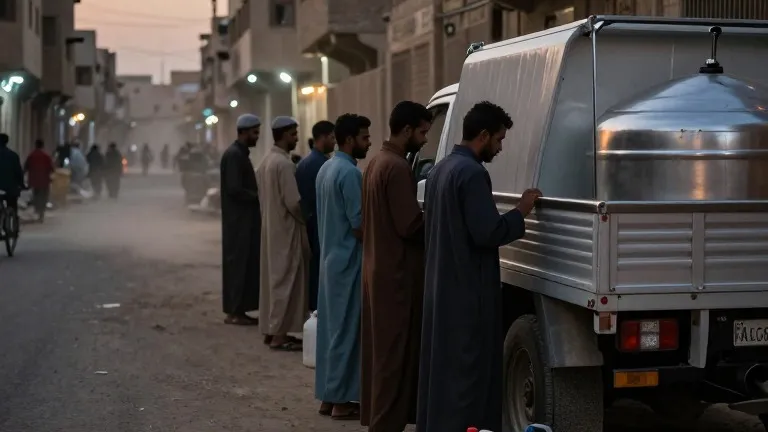
The physical blockade has cut off access to wells and left desalination plants short on fuel. Water trucks are largely blocked from entering the city, forcing residents to rely on limited remaining sources. Hadil al-Shahid, a local resident, said her family previously used 10 liters of bottled water daily for drinking and cooking. That same amount now lasts her family about four days. She noted that they stopped drinking coffee and tea to conserve water. Bottled water prices have risen by as much as 75% in just a few weeks, and some households are now buying it on credit.
The siege has also driven up costs for other necessities. Grocery shortages have pushed food prices higher, while scarce fuel has made it difficult to keep hospitals and sanitation services running. Cooking gas prices have more than quadrupled, according to Hani Bafaqih of the aid group CARE. Some families have resorted to burning wood, charcoal, or cardboard for heat. Flour and rice now cost about 50% more than they did in the summer. Amnesty International has urged the Houthis to open roads into the city immediately, warning that Taiz is on the brink of a severe humanitarian disaster.
Taiz province has absorbed an estimated 124,000 displaced people since August, according to United Nations migration experts. Jens Laerke, a spokesperson for a UN emergency aid division, said many displaced families live in makeshift shelters and survive on one meal a day. Fuel shortages have hampered community kitchens and shut down waste collection, increasing the risk of disease such as cholera. Laerke warned that these shortages feed into each other, especially as thirsty families use unprotected wells.
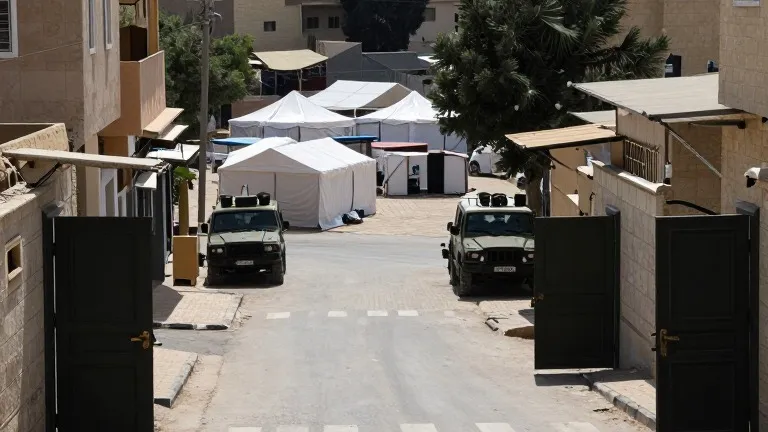
Ahmed Abdel Gaber, a displaced resident sheltering in the ruins of a building, said his income from hauling construction material is no longer steady. He said his family heavily relies on assistance and donations for food. Al-Shahid, who owns a hair salon, had to close her business as customers prioritized food and water. Her children now eat mostly rice, bread, and cheese. The government still holds the center of Taiz, but the siege complicates resupplying forces. Three Houthi officials said the group controls about 80% of the surrounding countryside and several neighborhoods inside the city.
Earlier this week, Houthi missiles hit a residential area in Taiz, killing two teenage girls. Abdel Gaber said he hears explosions daily from fighting about five kilometers away. His family has not returned to their mountain village for safety reasons. Al-Shahid said she cannot afford to leave her home. She described staying in her home as inevitable, whether it be a matter of life or death.
Source: NPR