Breaking: Election Day is here! Make your selections: The world watches as Americans decide the balance of power
Voters across the United States are casting ballots in midterm elections that will determine control of Congress and shape the trajectory of the Trump administration's second term.
By Diego Ross ·
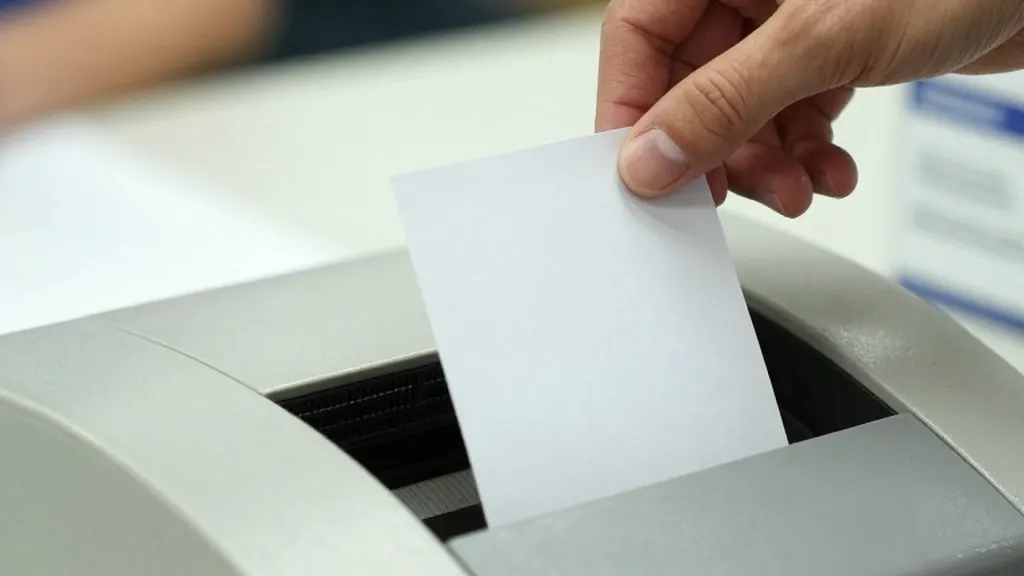
For readers outside the United States, Tuesday, November 3, 2026, marks a pivotal moment in American politics. This is the midterm election, which occurs halfway through a president's four-year term. The results will determine which political party controls the House of Representatives and the Senate for the final two years of President Donald Trump's second term. The House, with 435 members, acts as the lower chamber of Congress and is responsible for initiating revenue bills. The Senate, with 100 members, serves as the upper chamber and holds significant power over treaties and judicial appointments. Additionally, voters are deciding who will govern 36 states, as governorships are on the ballot. These decisions will influence domestic policy, trade agreements, and the United States' approach to global conflicts.
The stakes for the House of Representatives are high, as all 435 seats are up for election. According to Ballotpedia, Republicans currently hold 218 seats and Democrats hold 214, with one independent and some vacancies. Democrats need a net gain of three districts to secure a majority, while Republicans can afford to lose no more than two. There are 46 battleground districts identified by Ballotpedia, which are closely contested areas that could determine the final balance of power. The outcome of the House will directly impact the legislative agenda, including investigations into the executive branch and the ability to pass new laws that affect international trade and tariffs.
In the Senate, 35 of the 100 seats are being contested. This includes 33 regular elections and two special elections for the remainder of the terms held by Marco Rubio in Florida and JD Vance in Ohio. Republicans currently hold 53 seats, while Democrats hold 45, plus two independents who caucus with Democrats. Democrats need a net gain of four seats to take control of the Senate. The Senate's role in confirming judges and approving treaties makes its composition crucial for the United States' foreign policy and its relationships with allies. The results will also influence the ability to pass legislation related to the ongoing war with Iran and economic stimulus packages.
Governorships are also a major focus of the election, with 36 states holding races for their chief executives. Republicans currently hold 26 governorships and Democrats hold 24. Of the offices on the ballot, each party holds 18. Democrats would need a net gain of two governorships to achieve a nationwide majority, a position they have not held since 2010. The outcome of these races will affect state-level policies that often serve as testing grounds for national initiatives, including healthcare and energy policies that have global implications. Several states are using new congressional maps following mid-decade redistricting, which may alter the political dynamics in key regions.
The Associated Press describes this election as a referendum on President Trump's second term. According to AP-NORC polling, 35% of U.S. adults approve of Trump's job performance, while 25% approve of his handling of the economy. About 7 in 10 respondents say the country is heading in the wrong direction, with most blaming the president for high prices. Voters are also angry over an unpopular war with Iran. More than 57 million people had already voted as of Monday, surpassing the early vote of four years ago in many closely watched states. This high turnout suggests a strong interest in the direction of the country and the potential for significant political change.
Republican committees have been bracing for the possibility of losing the House while fighting to hold the Senate. The Associated Press notes that one or two seats could tip either chamber. Democrats, meanwhile, are described as cautiously optimistic. Trump held dozens of rallies in the final days before the election, ending Sunday in Salina, Kansas, where he said, "I really want you to pretend I'm on the ballot." His schedule included stops in Mississippi, South Carolina, and Texas. However, many Republican candidates kept their distance from the president, reflecting internal tensions within the party. Trump has also continued to make claims about voting fraud, which has led to legal challenges and concerns about the administration of the election.
The financial aspect of the election is also notable, as the 2026 elections are likely to be the most expensive in history. According to an AP analysis of AdImpact data, Republican committees outraised and outspent Democratic committees, aided by Trump-affiliated groups and Elon Musk. However, at the candidate level, Democrats outraised their opponents. A significant portion of Republican general election TV ad spending went to states and districts that Trump won in 2024, including more than $850 million in areas where he won by 10 points or more. This spending strategy reflects the importance of maintaining a strong base in key regions.
Several key Senate races are being watched closely. In North Carolina, Democratic former Governor Roy Cooper is facing former Republican National Committee chair Michael Whatley. In Georgia, Senator Jon Ossoff is running against Republican Representative Mike Collins. In Ohio, Democratic former Senator Sherrod Brown is challenging Republican Senator Jon Husted. In Michigan, Republican former Representative Mike Rogers is competing against Democrat Abdul El-Sayed. In Texas, Republican Attorney General Ken Paxton is facing Democrat James Talarico. In Maine, Senator Susan Collins is running against Democratic former state Senate President Troy Jackson. The Associated Press notes that economic strain and tariffs have made the state of Maine competitive. In New Hampshire, Democratic Representative Chris Pappas is facing former Republican Senator John E. Sununu. In Minnesota, Democratic Lieutenant Governor Peggy Flanagan and Republican Michele Tafoya are among four candidates for the seat of retiring Senator Tina Smith. In Kansas, a reliably Republican state, the race has become central to the fight for Senate control. In Alaska, the Trump administration filed a lawsuit related to the certification of the Senate result.
Governor races are also intense, with Democrats defending five governorships in states that Trump won in 2024, including Arizona, Kansas, Michigan, Pennsylvania, and Wisconsin. Republicans are defending two governorships in states that Harris won, New Hampshire and Vermont. In Georgia, Republican health care executive Rick Jackson is facing Democratic former Atlanta Mayor Keisha Lance Bottoms. In Nevada, Republican Governor Joe Lombardo is competing against Democratic Attorney General Aaron Ford. In Ohio, Republican Vivek Ramaswamy is facing Democrat Amy Acton. Ramaswamy's campaign faced backlash over an ad featuring Acton's estranged mother. The Associated Press calls Texas, Florida, and Iowa competitive governor races. Democrats hope to hold a majority of governorships for the first time in two decades, which would be a significant strategic victory.
The election administration has been a point of contention, with a federal judge temporarily barring the Trump administration from carrying out a plan to prevent noncitizen voting. Critics argue that this plan risks disenfranchising eligible voters and infringes on states' authority over elections. A judge also ordered the administration to stop demanding that California election officials segregate ballots cast by people on its lists of suspected noncitizens. The U.S. Postal Service added hours, staff, and special lines to ensure that mail ballots are counted on time. These administrative issues highlight the complexities of conducting a large-scale election and the importance of clear and fair procedures.