Eight Empty Seats Signal Party Shift
China's leadership convenes with its lowest committee attendance since 1976 to tighten control over officials ahead of Xi Jinping's expected fourth term.
By Diego Ross ·
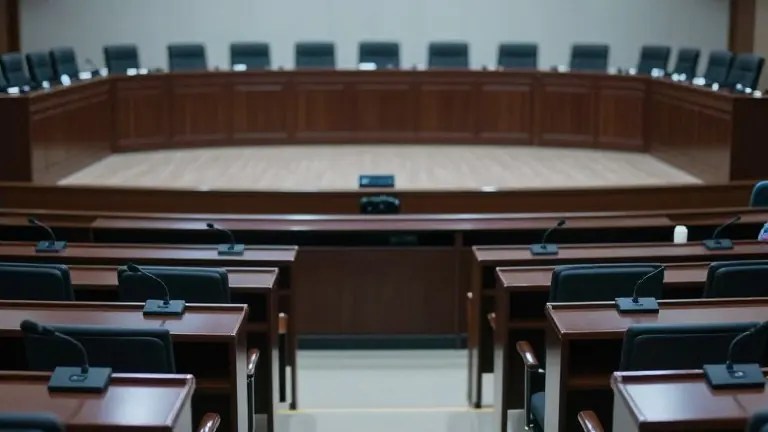
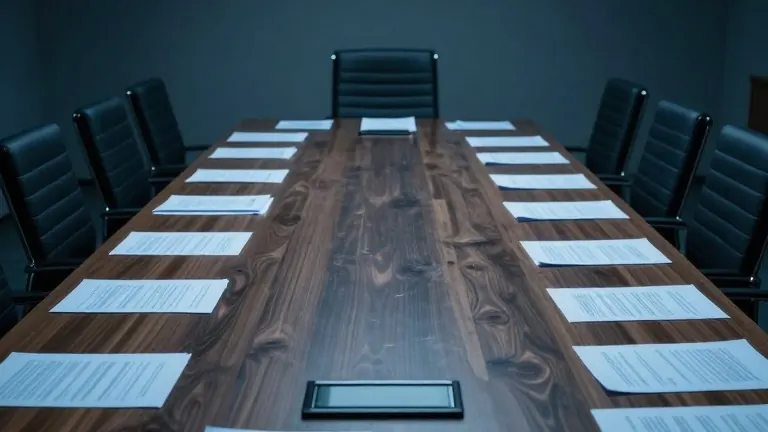
Eight seats on China’s Central Committee stand empty as the nation’s top political body opens a four-day session in Beijing. This marks the lowest recorded turnout for the group since the death of Mao Zedong in 1976. The absence of these members reflects a decade of aggressive purging that has removed thousands of officials from power.
President Xi Jinping uses the gathering to reinforce loyalty among the party’s roughly 300 senior members. The meeting is the fifth plenum of the current congress and serves as a closed-door forum for defining the party’s direction. With a fourth five-year term expected for Xi in roughly a year, the session acts as a precursor to major personnel changes within key leadership bodies.
The primary agenda item is a draft policy decision on advancing rigorous party self-governance. The goal is to ensure cadres remain disciplined and effective while reducing corruption. Ruby Osman, a senior policy adviser at the Tony Blair Institute for Global Change in London, told The Associated Press that the plenum aims to align new generations of leaders with Xi’s assessment of China’s risks and opportunities. Earlier sessions have helped cement his authority, but this meeting targets the conduct of officials more directly.
Xi has expressed frustration with cadres who he describes as two-faced. In a speech published by state media in January, he criticized leaders who comply outwardly but inwardly resist directives. He labeled such behavior as politically opportunistic and driven by individualism. Neil Thomas, a senior fellow at the Asia Society Policy Institute, expects the committee to call for closer scrutiny of public spending and the wider use of technology to uncover corruption.
The anticorruption campaign has significantly impacted the military branch of the party. Five of the seven members of the Central Military Commission have been removed in recent years. The current plenum may bring new appointments to that body, and Xi could restructure the party’s control over the armed forces. The session also occurs while China deals with weak domestic spending and a prolonged crisis in its property sector, alongside turbulent relations with the United States.
Source: Al Jazeera
More Politics · World news · Report a business · Got a Story?