Control of Congress at stake as voters weigh Trump’s record
The U.S. midterm elections arrive amid economic concerns and tensions with Iran, while a Massachusetts judge weighs whether to dismiss the case against Lindsay Clancy.
By Karim Ramirez ·
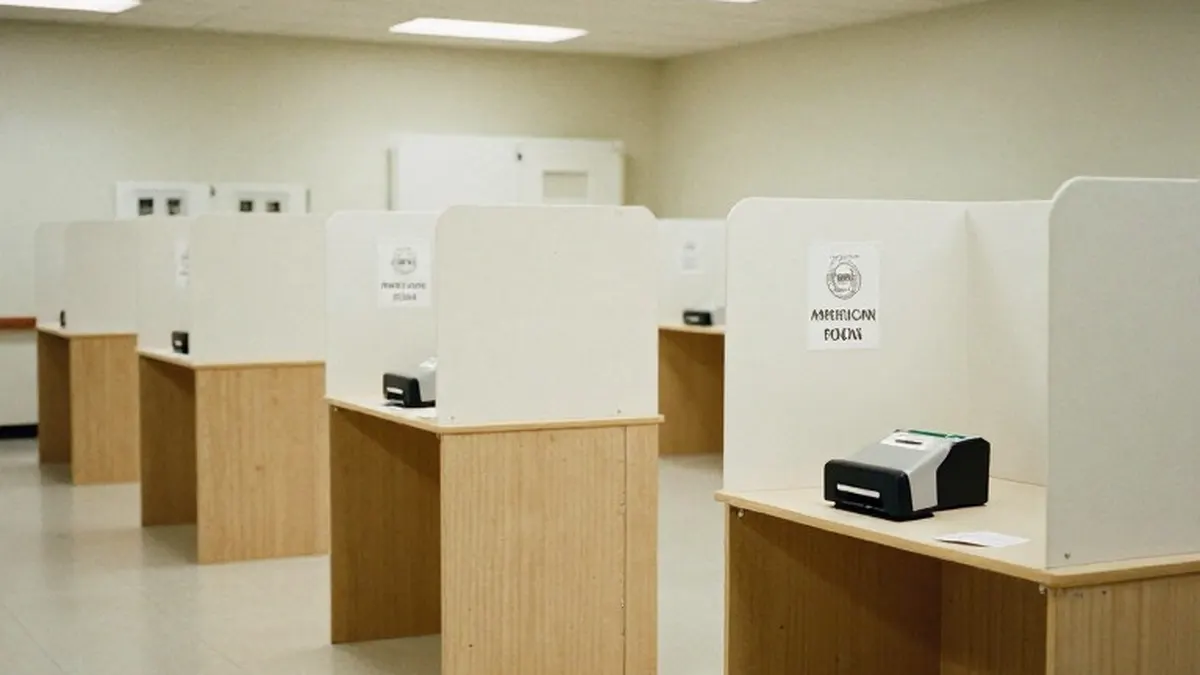
Voters are deciding control of Congress on Nov. 3 after the most expensive election campaign in U.S. history, with Democrats positioned to potentially reclaim power as President Trump’s popularity reaches an all-time low. A record number of lawmakers are leaving office, adding to the uncertainty surrounding the congressional contests.
Economic disruption linked to Trump’s unpopular policies has made Arkansas, Kansas, Mississippi and Iowa unexpectedly important to the outcome, NPR’s Stephen Fowler reported. Voters have voiced concerns about the Iran war, higher gasoline prices and corruption, with some saying the president’s attention to grand events has left their priorities overlooked. Both parties have poured resources into numerous House contests. Republicans have asked voters for another two years to address problems, while Democrats say they have already had enough time.
Trump suggested on Nov. 2 that turnout from a portion of his supporters could produce a decisive victory. But NPR’s Franco Ordoñez said the president also appeared aware of the difficulties facing Republicans, speaking in the past tense in a departure from his usual manner. His team will watch Republican turnout in Senate contests in Ohio, Kansas and South Carolina. Tight races in South Carolina or Florida could indicate broader trouble for the party, Ordoñez said. Final results may take days.
In a separate election development, the Supreme Court rejected a last-minute Justice Department request concerning California’s voter rolls. The department had sought to prevent the state from processing ballots for thousands of people it identified as likely noncitizens.
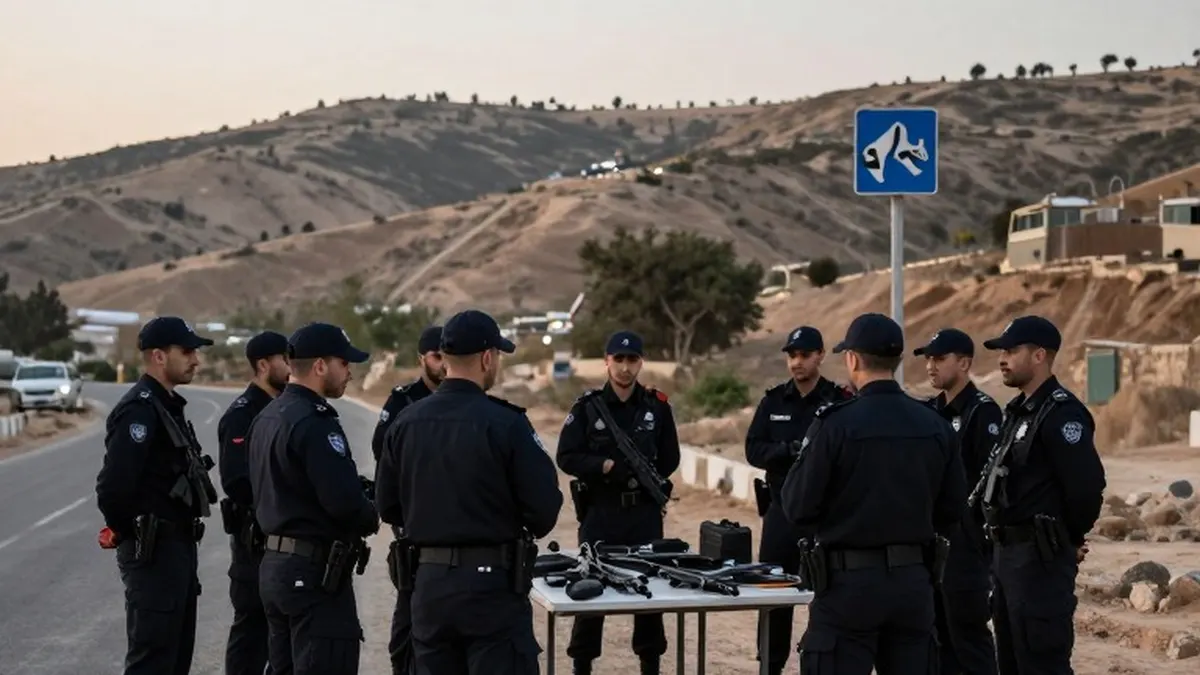
The election also figures in Iran’s effort to pressure Trump into returning to negotiations. The Associated Press reported that U.S. forces carried out defensive strikes against Iranian targets in the Strait of Hormuz on the night of Nov. 2, including Qeshm Island, a key launch point for Iranian attacks. NPR could not independently verify the details, although Iran reported explosions on the island.
Iranian officials say they favor renewed talks and have offered to reopen the strait within two days if the United States resumes negotiations, compared with seven days proposed in September. NPR’s Hadeel Al-Shalchi reported that inflation is around 90%, while residents face severe economic hardship and fears of bombing. Officials are urging energy conservation before winter, saying war damage has destabilized natural gas networks.
Separately, Massachusetts Judge William Sullivan is expected to rule later this month on a request to dismiss the case against Lindsay Clancy, who faces first-degree murder charges in the 2023 deaths of her three young children in Duxbury. Her attorney sought dismissal or a new trial in court on Nov. 2. The September trial ended without a unanimous verdict, resulting in a mistrial. Prosecutors have not announced whether they will seek another trial or lesser charges.
Source: NPR