Independent voters could shape US midterms as outsider candidates face steep hurdles
Voters who reject major-party labels could help determine control of Congress, while independent candidates seek openings in races including Nebraska and Montana.
By Noah Rao ·
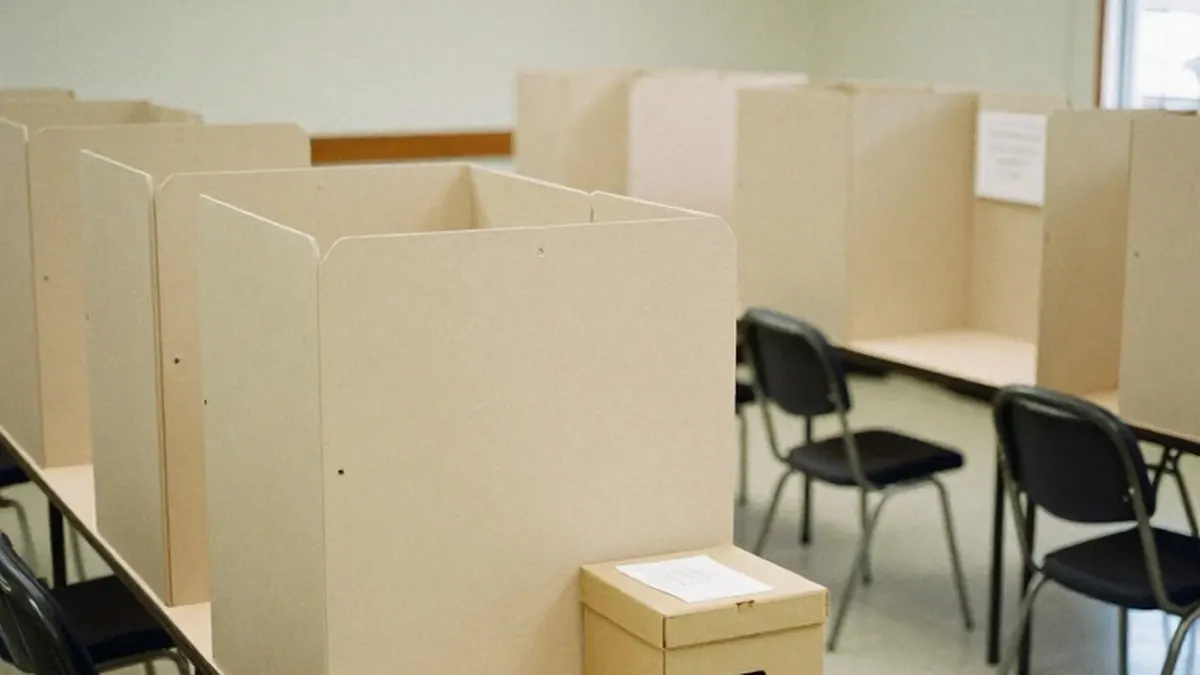
A record number of Americans identifying as politically independent could play a decisive role in Tuesday’s midterm elections, influencing control of Congress and state legislatures. Yet the growing rejection of party labels has rarely translated into victories for candidates running outside the Democratic and Republican parties.
The Pew Research Center’s annual National Public Opinion Reference Survey found that 44 percent of US adults identify as independent, compared with 29 percent identifying as Democrats and 28 percent as Republicans. Most independents nevertheless lean towards one of the major parties. Those with no partisan preference account for only about 7 to 10 percent of the electorate, making them a particularly sought-after group in competitive elections.
Marist polling suggests Democrats have the backing of 52 percent of likely independent voters in the 2026 midterms, while Republicans have 39 percent. Discontent with President Donald Trump is also shaping their choices: independent respondents were more than three times as likely to describe their vote as mainly against the president, and 28 percent said they were voting for change.
The United States does not legally limit elections to two parties, but its electoral structure makes victories difficult for outsiders. Congressional districts elect a single representative, and winner-take-all contests reward candidates who can assemble sufficient support in one place. Voters may also abandon their preferred independent candidate for a major-party contender they consider more likely to win, or avoid candidates they fear could split the vote.
Bernard Tamas, a political scientist at Valdosta State University, argues that funding is a greater obstacle than ballot-access laws. The Democratic National Committee raised nearly $252.3 million during the 2026 midterm campaign cycle, while the Republican National Committee collected about $341 million. Tamas said independent candidates raise little money and are less familiar to voters, in a system offering virtually no public funding for political parties or limits on campaign spending.
Some efforts are under way to close that gap. Former Democrat-turned-independent Senator Joe Manchin launched the Independent Leadership Council in July to connect independent congressional candidates with donors and campaign resources. It has raised more than $10 million. Political scientist AJ Simmons nevertheless said lasting progress would require independent candidates to remain competitive across multiple contests and election cycles.
Only one independent currently serves in the House of Representatives and two in the Senate, with none holding a governorship. In Maine, former state Republican Party chair Rick Bennett is seeking to become the state’s third independent governor. Simmons counts Bennett among 11 independent or third-party candidates for governor or Senate whom he expects to exceed 5 percent of the vote.
Simmons sees Nebraska’s Dan Osborn, a 51-year-old Navy veteran, as the alternative candidate most likely to win nationally. RealClearPolling rates his Senate contest a toss-up. After its candidate withdrew, the Nebraska Democratic Party declined to nominate a replacement, leaving Osborn as Republican Pete Ricketts’s main challenger.
Montana offers another potential opening, according to Simmons. Independent Seth Bodnar, a former University of Montana president and Army veteran backed by Manchin’s council, faces Republican Kurt Alme and Democrat Alani Bankhead. Competition between Bodnar and Bankhead for centre-left and anti-Republican voters could benefit Alme. Independents in Idaho and South Dakota are not expected to win, but could force Republicans to devote resources to seats they otherwise considered secure.
Source: Al Jazeera