Generic HIV shot approved in U.S. to cut costs in 120 countries
The FDA sign-off allows India-based Dr. Reddy’s to produce a cheaper version of lenacapavir, aiming to reach 20 million people at risk.
By Diego Ross ·
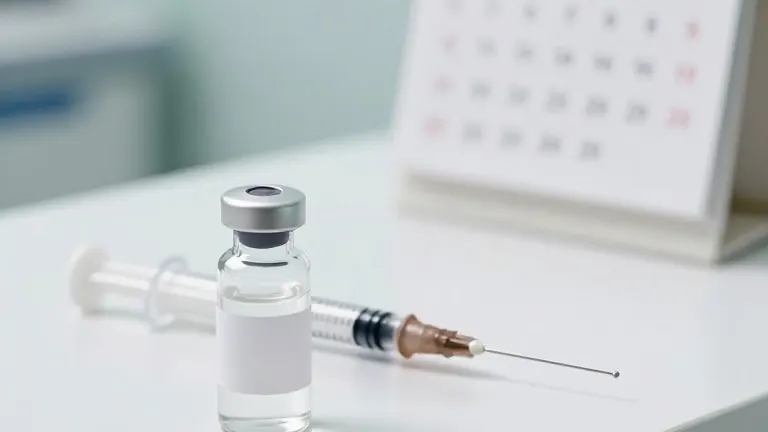
The global fight against HIV gained a new logistical advantage on Monday when the U.S. Food and Drug Administration approved a generic version of lenacapavir, the first medication to prevent the virus via an injection administered only twice a year. The decision was announced by the drug’s manufacturer and the health organizations that facilitated its rapid development. This approval is expected to unlock a supply chain for 120 low- and middle-income countries, allowing them to purchase the drug at a price point comparable to daily oral preventives.
The economic model for the generic relies on a target price of $40 per person annually in the designated markets. This cost aligns with current daily pills but offers a distinct practical benefit for patients who struggle with adherence. Carmen Pérez Casas, HIV lead for Unitaid, explained that protection is lost if a daily dose is missed. With the twice-yearly shot, she said, there is much more hope for consistent protection.
Clinical data supports the shift in strategy. Two studies showed that the injection nearly eliminated new infections among high-risk participants. Carolyn Amole, who leads the HIV program for the Clinton Health Access Initiative, noted that scaling this treatment to the 20 million people who require pre-exposure prophylaxis could begin to end the epidemic. The World Health Organization reported that 41 million people lived with HIV and 570,000 died from related causes in the last year, underscoring the scale of the challenge.
The generic version will not enter the U.S. market immediately due to patent protections held by Gilead Sciences. Gilead’s brand-name drug, Yeztugo, carries a list price of $28,218 per year before insurance. Gilead officials stated that this price is similar to other pre-exposure prophylaxis options. The company established royalty-free licensing agreements with six generic manufacturers last year to address supply shortages in specific regions of sub-Saharan Africa, Asia, and Latin America.
The FDA’s approval is designated as tentative, a standard practice for generics while the original product remains under patent. This status helps ensure quality for drugs provided by the U.S. government to other nations and often accelerates regulatory reviews elsewhere. The specific generic approved was developed by India’s Dr. Reddy’s Laboratories under an agreement brokered by Unitaid, the Clinton Health Access Initiative, and Wits RHI, an African health research institute.
Gilead acknowledged the urgency of the situation. A spokesperson said the company believes it has enabled the fastest path to expanding access for communities most affected by HIV. The original drug has faced supply constraints in low-income settings, with demand exceeding available stock. The new licenses cover a specific set of countries, and other generic versions are still awaiting FDA approval.
Medical protocols for the new shot remain similar to existing preventives. Patients must test for HIV before starting the drug and with each injection. Saiqa Mullick, director of implementation science at Wits RHI, noted that this testing is often a rapid test in low- and middle-income countries. Drug-resistant HIV has been identified in cases where the medication was used by people with an undiagnosed infection. Common side effects include injection site reactions, headache, and nausea.
Distribution is expected to begin within weeks in some locations. However, countries with independent regulatory requirements may take longer to authorize the drug for use. Amole emphasized that the approval is a milestone but that funding and logistics remain necessary to reach millions of patients. Pérez Casas expressed optimism that scientific tools, combined with political will, can help curb the virus. She stated that the necessary tools are now in place.
Source: KPRC-TV