Two Candidates, One Question: Who Can Fix Costs?
A razor-thin race in California's Central Valley pits a Trump-backed former mayor against an incumbent focused on affordability.
By Noah Rao ·
187 votes. That is the tiny margin that separated victory from defeat in California's 13th Congressional District two years ago. Now, on November 3, voters will again decide a race that hinges on a single, urgent question: how to bring down the cost of living. The contest features Democratic U.S. Rep. Adam Gray, who currently holds the seat, and Republican Kevin Lincoln, a former Marine and the former mayor of Stockton.
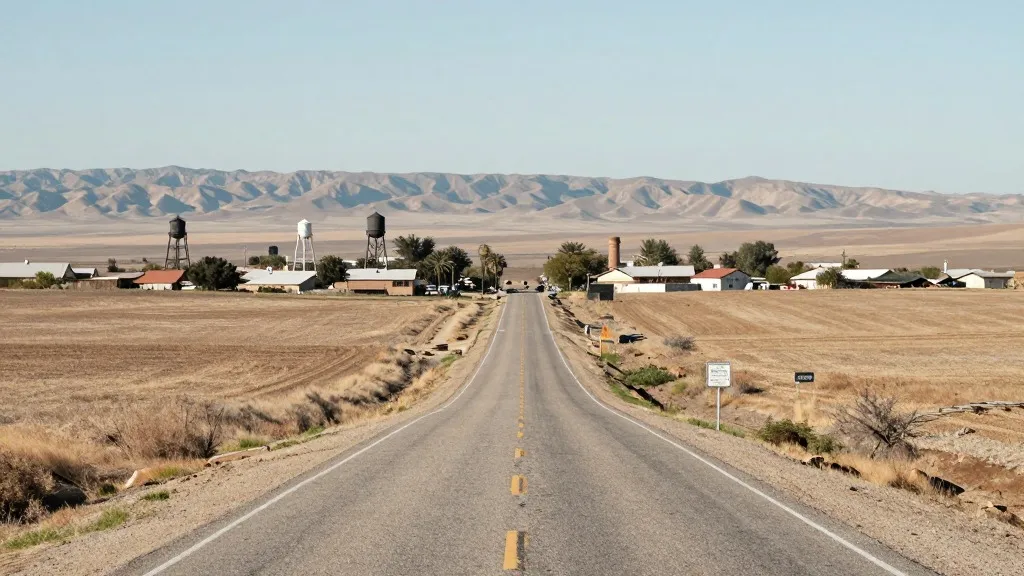
The path to this rematch began with the redrawing of district lines under Proposition 50. This shift altered the political map, moving the district's boundaries to cover the agricultural heartland of the San Joaquin Valley. Kevin Lincoln, who had previously run against a different congressman in a neighboring district, switched his focus to District 13. He is now campaigning in the area that includes downtown Stockton, a city where he is a familiar figure from his time in local politics.
Lincoln's campaign is built on a platform he describes as restoring the American dream. He argues that the path to that goal runs through lower costs for gas, food, and utilities, alongside job creation and tax cuts. He has also been endorsed by President Donald Trump, who gave him his complete and total endorsement. Lincoln's background includes service in the Marine Corps' White House Military Office, where he guarded the presidential helicopter from 2001 to 2005.
Adam Gray, a native of Merced and a former state assemblymember, is also focused on affordability but offers a different set of solutions. He points to his efforts to reverse cuts to Medicaid, limit presidential tariff powers, and reduce regulations on thermal energy. Gray emphasizes his role as a moderate, telling the Sacramento Bee, "What voters want here is an independent voice, not a Democratic voice, not a Republican voice." He serves as a whip for the Blue Dog Coalition, a group of lawmakers seeking common ground across party lines.
Gray has been critical of the president's policies, calling his approach to deportations irresponsible, reckless, and dangerous. He can also point to the sharp increase in gasoline and diesel prices since the start of the war with Iran as a factor driving voter concern. Lincoln, however, counters that Gray, while serving in the California Legislature, increased the gas tax by over 113% per gallon.
The financial picture of the race shows a clear advantage for the incumbent. As of June 30, Gray had raised $4.2 million in contributions and loans, more than double the $2.2 million raised by Lincoln. This fundraising gap will be a key factor as the campaign moves toward Election Day.
Voters will head to the polls on November 3 to choose between these two paths. One candidate offers a vision rooted in the president's agenda, while the other presents himself as an independent voice focused on practical solutions. The narrow margin from the last election suggests the outcome will be closely watched.
Source: Stocktonia News
More World · Lincoln news · Report a business · Got a Story?