US Withholds $25 Million From Afghan University, Leaving 1,000 Students Short
The State Department cited past accounting issues, but critics argue the cut threatens the last remaining path to higher education for many Afghan women.
By Noah Rao ·
The United States has stopped a $25 million grant to the American University of Afghanistan, a funding decision that leaves the institution and its 1,000 students in a precarious position. This sum represented the bulk of the university’s operating budget, with US aid accounting for nearly 90% of its revenue as of 2018. The State Department confirmed the halt this year, stating the move reflects the university's history of repeated lack of accountability for American taxpayer dollars.
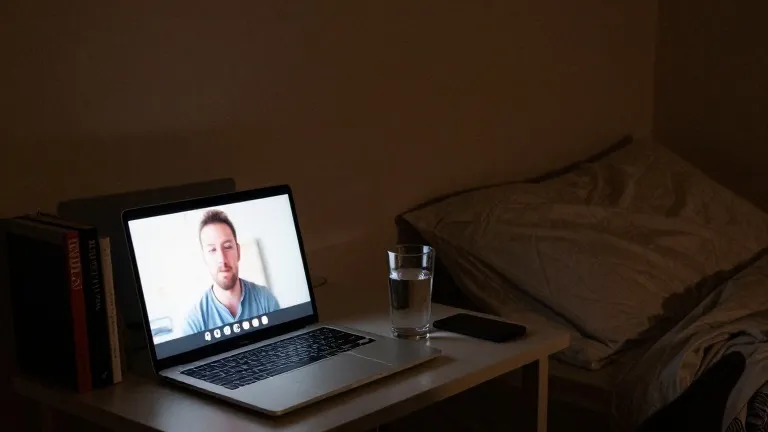
The financial shock lands on a campus where roughly three-quarters of the students are women. Since the Taliban seized the campus, these students attend lectures online from their homes, often using aliases and keeping their cameras off to avoid detection. One student, who goes by the name Laila, described the fear that shapes their daily lives. She noted that officials have entered her home several times to search belongings and that she worries about university emails being found on her phone.
Laila, a political science major in her mid-twenties, began her studies at AUAF after winning a scholarship. Her path was interrupted when the Taliban returned to power in August 2021 and later banned women's education in December 2022. She said not every girl got the opportunity to restart her degree, and the recent funding cut has crushed her motivation. She now wonders if she will ever complete her studies, a process she had expected to finish years ago.
The controversy over the funding stretches back more than a decade. The university opened in 2006, and former First Lady Laura Bush announced the initial US commitment, framing it as a way to train future leaders and build goodwill. However, US inspectors opened an investigation into the university's finances in 2016. By 2018, they reported that poor accounting made it impossible to track exactly how the aid money was spent.
John Sopko, the former federal inspector who oversaw the probe, expressed surprise that the US was still funding the institution. He told Deutsche Welle that the ongoing support seemed inconsistent with the audit findings. Patrick Fine, the former USAID Afghanistan mission director, rejected the State Department's explanation as smear tactics. He acknowledged that audits found the university struggling with strict agency rules but insisted they did not find major fraud, calling the university a worthy investment because it reaches Afghan women.
The State Department said the university is free to identify other funders and partners, meaning the end of US money does not guarantee the end of operations. However, the loss of the $25 million grant creates significant uncertainty. Laila has barely left her room since learning of the cut, thinking about how she might find a way forward in five or ten years. The university now faces the challenge of finding new financial support to keep its online programs running.
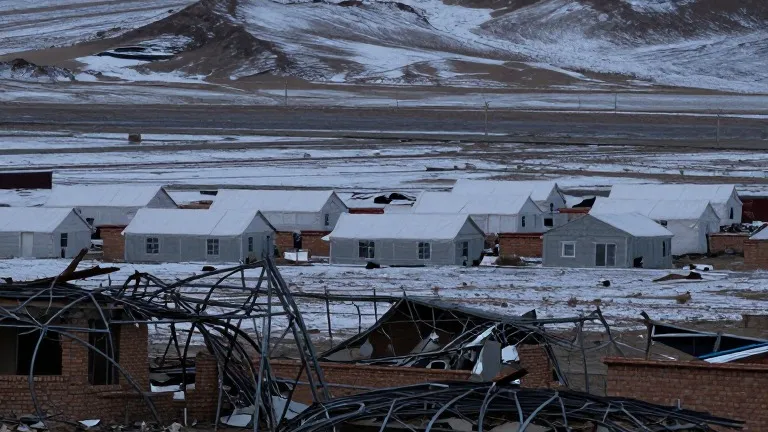
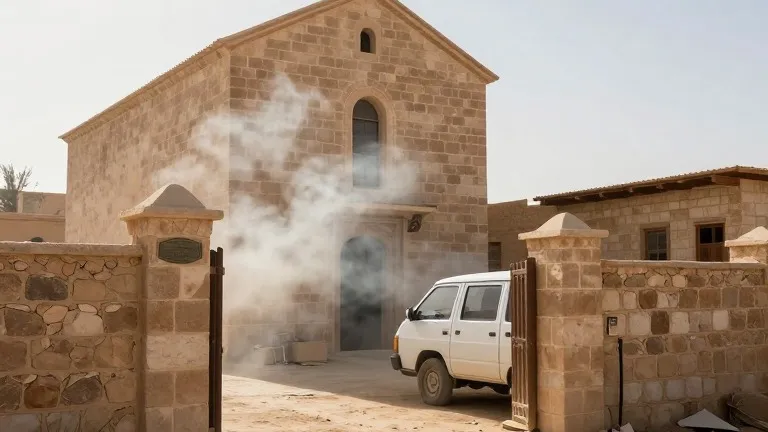
The decision underscores the difficulty of sustaining educational initiatives in Afghanistan under current conditions. While the Taliban have allowed some women to study through online platforms, the physical campus remains closed. The US exit leaves a gap in funding that other donors may struggle to fill quickly, particularly given the high costs of operating a private university in a volatile region.
Source: Deutsche Welle