Herds double grazing zones on Northaven Trail
Forty goats and sheep returned in October to maintain pollinator habitats on the Dallas trail, doubling the number of treated areas from last year.
By Karim Ramirez ·
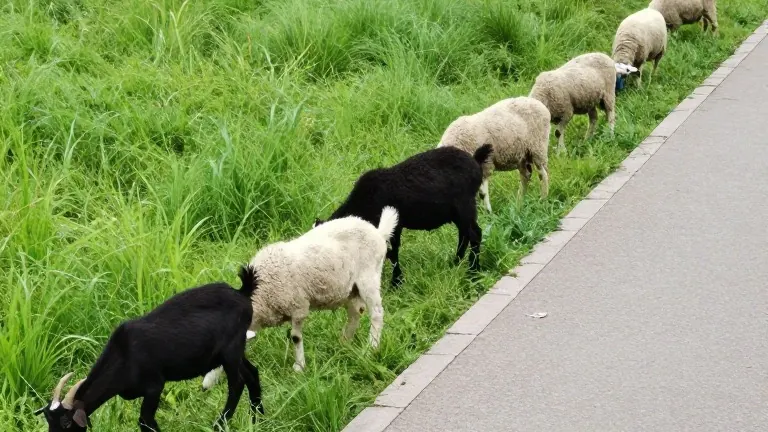
A herd of goats and sheep returned to the Northaven Trail in Dallas in October to manage vegetation. The animals spent 10 days clearing specific sections of the path. This marked the second year of the program, known locally as Northaven Tails.
The initiative began last year when 400 goats and sheep were brought to Preston Hollow. Organized by the Friends of Northaven Trail, the project utilized the services of land clearing specialists at Open Space. During the first season, the herd worked through more than two dozen designated no-mow zones.
Support from the local community expanded the operation this year. Will Dawson, a board member for the Friends organization, stated that the number of treated areas increased from 29 to 57. Local businesses, neighborhood groups, and individual families sponsored these new grazing zones.
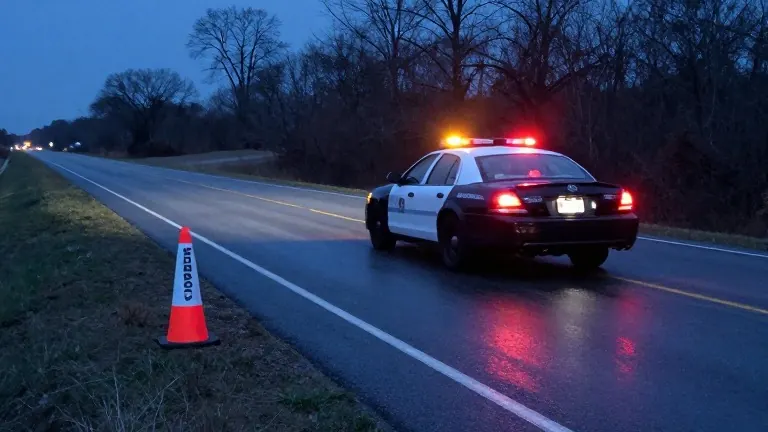
New logistical tools accompanied the larger herd. The organizers launched a website featuring a daily flock finder, a full grazing schedule, an interactive map, and parking locations. The animals also received police escorts with cowboy hat-topped vehicles when crossing major roads.
Local schools played a central role in the program’s growth. Dawson noted that Grace Academy of Dallas closed for a day last year so students could visit the trail. This year, two schools have already sponsored grazing areas and are planning field trips. More school visits are expected as the season progresses.
The grazing serves a specific ecological function. Designated pollinator areas are left unmowed to allow native grasses and flowers to grow. The animals eat the upper thatch layer, and their hooves aerate the soil. This process helps new plants germinate, which provides food and shelter for birds, butterflies, and bees.
The herd will return in the future for additional maintenance. Residents can track the schedule and locations of the animals through the project’s online platform.
Source: People Newspapers