Eisenkot Challenges Netanyahu in Tight Israeli Election Count
High turnout and split results leave the path to a governing coalition unclear as counting continues.
By Diego Ross ·
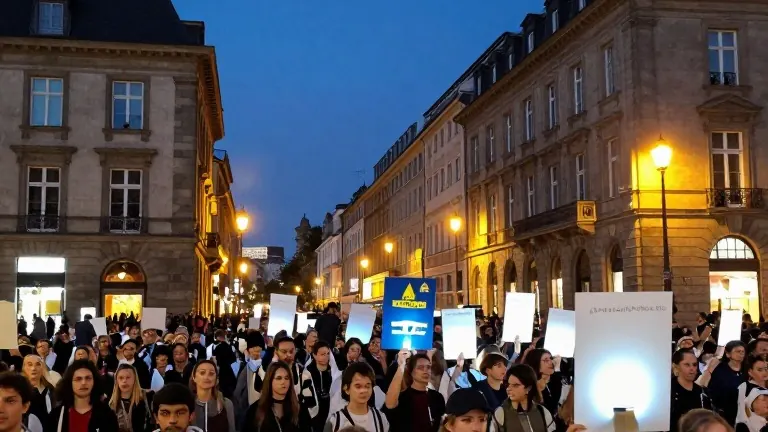
Israelis waited with high anxiety on Wednesday as the final tallies emerged from the general election. The vote recorded a 77.7% turnout, the highest level since 1999. The results suggest a sharp rebuke against Prime Minister Benjamin Netanyahu's far-right bloc, yet they do not provide a clear alternative government.
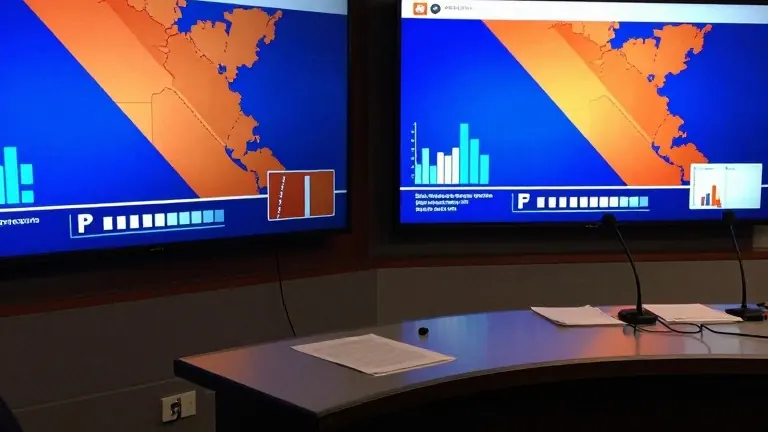
With 50% of votes counted, Likud, Netanyahu's party, holds 20.6% of the vote. Gadi Eisenkot's Yashar party trails closely at 16.8%. Exit polls from major television stations indicate that the two camps are nearly evenly matched. Each side appears to have secured roughly 51 seats in the 120-seat Knesset. Arab-led parties are projected to win about 18 seats, a historic showing for these factions.
Netanyahu, who has served as prime minister for nearly 17 years, remained defiant early in the day. He praised the military achievements of the last three years and sought to position himself as the strongest candidate for the presidency to appoint as prime minister. He rejected the possibility of governing with Arab parties, calling such a partnership treasonous. "We must establish a strong, right-wing, nationalist government," he said. "We must not endanger Israel and establish a government that relies on anti-Zionist Arab parties."
Eisenkot, Netanyahu's former military chief, offered a different vision. He pledged to form a government focused on national unity and promised a new era of hope. He left the door open to cooperating with Arab parties if they recognize Israel as a Jewish state and label Hamas an extremist group. However, several likely coalition partners have previously ruled out such a deal, creating uncertainty over whether they will change their stance to unseat the current leader.
The election results reflect widespread unease among voters regarding Netanyahu's alliance with the far right. Many Israelis are angry over draft exemptions granted to the ultra-Orthodox Jewish population. The close race indicates that opposition forces struggled to fully capitalize on the grief and anger sparked by the October 7, 2023, Hamas-led attack and the subsequent three years of war. The violence in Gaza, Lebanon, and Iran, along with settler actions in the West Bank, have strained international ties and fueled debates over Israel's democratic foundations.
Itamar Ben-Gvir, the far-right national security minister, appears to be a clear loser in this count. Many Israelis viewed him as the most extreme member of the current government. He had openly taunted Palestinian detainees and made controversial statements about the population of Gaza. His decline underscores the internal shifts within the right-wing camp.
The United Arab List, the only Arab party to have joined a governing coalition in 2021, celebrated its performance. Party leader Mansour Abbas declared, "We are here, we are not on the sidelines." The group's strength could be decisive in the coming negotiations. If no candidate can assemble a majority, Israel may face another round of elections early next year, mirroring the five elections held between 2019 and 2022 during a similar political stalemate.
President Isaac Herzog is not required to invite the party with the most seats to form a government. He holds the discretion to choose the candidate most likely to command a parliamentary majority. This power places the burden of coalition building on the various factions. The final results are expected in the coming days, once hundreds of thousands of absentee ballots are counted.
Source: KXAS-TV