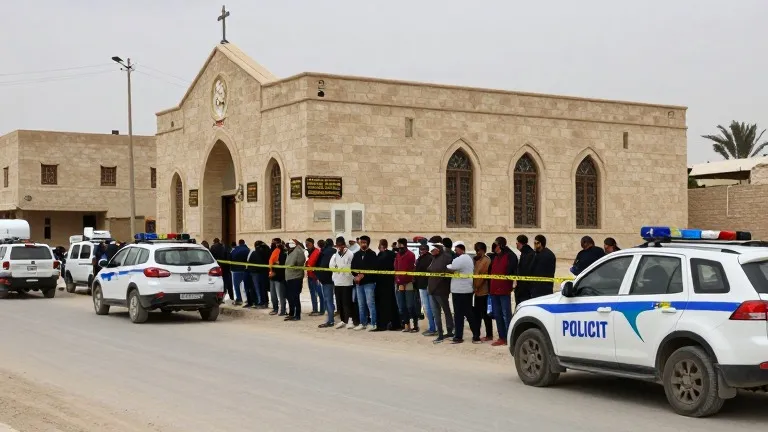
Tennessee Execution: Ten Needles and a Broken Vein
Court filings reveal that medical staff struggled to access Christa Pike's veins during her failed execution, with one member warning that the vein might rupture before the drug was administered.
By Karim Ramirez ·
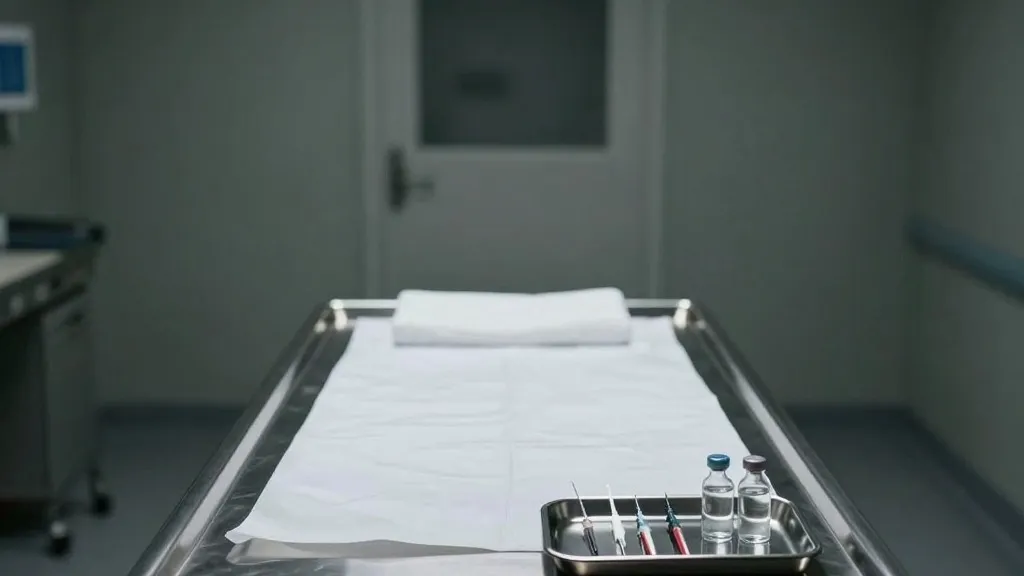
Ten needles were used by medical staff as they struggled to establish intravenous access in the arms of Christa Pike before a lethal dose of pentobarbital was administered. The account, detailed in a court document filed on Thursday, provides the most granular look yet at the procedural difficulties encountered during the state's attempt to execute the 50 year old inmate. The filing asserts that members of the execution team repeatedly failed to find working veins and voiced concern that the vessels might rupture before the drug could be pushed.
Pike was convicted in 1995 for the stabbing death of her classmate, Colleen Slemmer. At the time of the crime, Pike was 18 years old and became one of the youngest women ever sentenced to death in the United States. Her case has resurfaced in a separate legal challenge where other inmates on Tennessee's death row are contesting the state's lethal injection protocols. The specific filing was part of this broader litigation, highlighting the physical challenges faced during the administration of the drug.
The timeline of the September 30 execution attempt reveals significant delays in the medical preparation. The team began attempting to place the two required intravenous lines at 6:34 p.m. While an IV was established in Pike's right arm within six minutes, the process for her left arm took nearly an hour. Pike reportedly assisted by suggesting sites in her upper arm for the medical staff to check. Throughout the procedure, she was described as wincing and grimacing as needles were moved around her arm.
Tension in the execution chamber rose as the medical team voiced doubts about the integrity of the veins. At 6:57 p.m., one member noted that a vein might be blowing, while another later stated, I think it's blown, after a bent needle was removed. The team declared the IV in the left arm successful at 7:13 p.m. Shortly after, phone calls began between the team pushing the drug from an adjoining room and the IV staff, who were asked to check the line repeatedly.
Pike reported a burning sensation in her arm at 7:34 p.m., stating she felt it was about to bust. Over the next 30 minutes, she strained and appeared to struggle to breathe, according to her attorney, Randy Spivey. The state's protocol calls for a second dose if the first fails, but it does not specify the procedure if an inmate survives the second injection. Spivey called colleagues at 8:22 p.m. to request that the execution be stopped, noting that a third dose is not authorized and that Pike required immediate medical care.
An ambulance was confirmed to be on the way at 8:50 p.m., with life saving measures reported to be underway 20 minutes later. The vehicle arrived at the hospital at 9:14 p.m. Pike was placed on a ventilator for several days and, at one point, her legal team did not expect her to survive. She has since regained consciousness and returned to prison after her hospital discharge. Kit Thomas, an attorney representing other death row inmates, said that the likelihood of botched executions has been realized and will continue without substantial changes to the protocol.
Source: CBC News