
Democratic Senate gains could constrain Trump without reversing his agenda
A Democratic takeover in the November 3 midterms could give the party tools to block appointments and scrutinise policy, while leaving major legislative changes dependent on compromise.
By Karim Ramirez ·
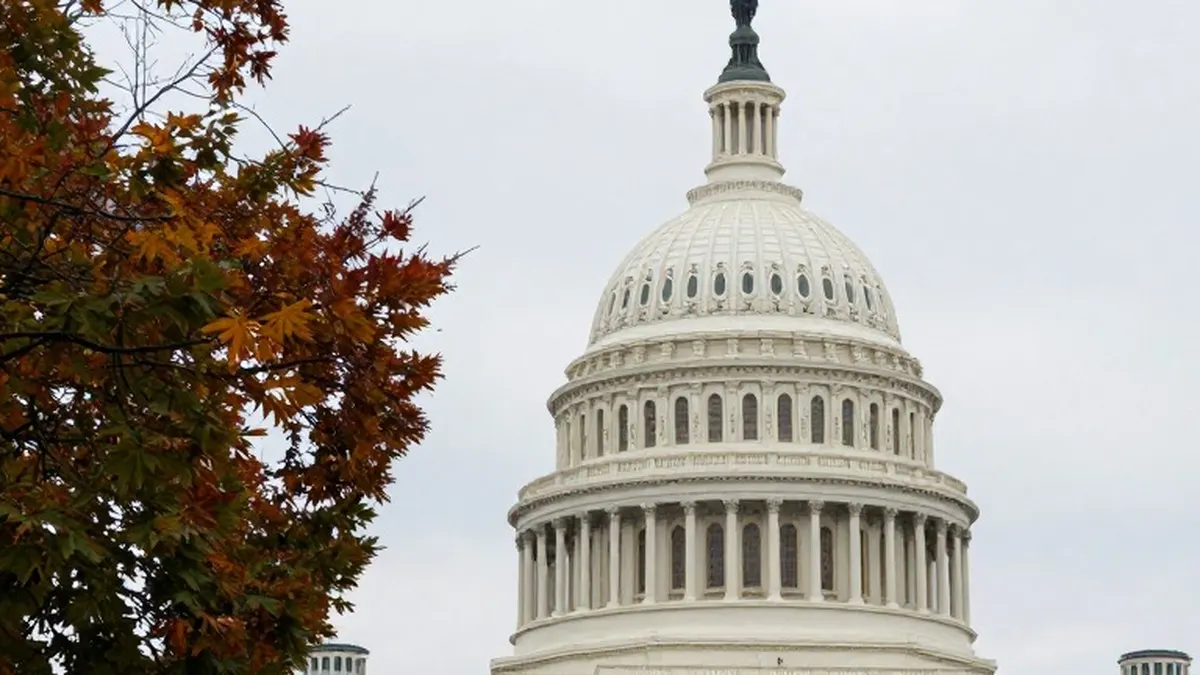
Democrats could gain new powers to challenge President Donald Trump if they capture the Senate in the November 3 midterm elections, but analysts say their influence would depend largely on blocking appointments, scrutinising decisions and negotiating over essential spending bills. With 56 million Americans having voted early, polling and predictions from prominent Republicans point towards potential Democratic control of both congressional chambers.
Democrats must retain their existing 47 Senate seats and capture four Republican seats to secure a majority. Texas, Maine, North Carolina and Alaska are identified as likely opportunities, while Iowa and Ohio are also closely contested. A YouGov survey on November 2 showed tight races with Democrats holding an advantage. Former New Jersey Governor Chris Christie and former House Speaker Kevin McCarthy, both Republicans, predicted Democratic control of both chambers during appearances on ABC News the previous day.
Rina Shah, a former Republican congressional adviser, told Middle East Eye that a Democratic Senate would have more scope to obstruct administration policy than overturn it. Control of committees, scheduling and confirmations would allow Democrats to delay or reject judicial appointments, ambassadors and national security nominees. They could also conduct hearings with subpoena powers and seek conditions on arms sales, troop deployments and war powers through funding and defence legislation.
Trump would almost certainly veto legislation he opposed, making Republican cooperation important for Democrats seeking durable changes. Shah argued that even unsuccessful bills could establish lawmakers' positions ahead of the 2028 election. Essential funding measures could provide greater bargaining power, although Trump has already allowed government shutdowns twice during disputes with Democratic lawmakers.
Jennifer Hendrixson White, a former House Foreign Affairs Committee staffer now at the Carnegie Endowment for International Peace, said some Republicans might become more willing to challenge Trump as his remaining time in office shortened. She suggested that proposals framed around restoring Congress's constitutional responsibilities could attract support across party lines. She also warned that non-binding statements could consume legislative time without compelling presidential action.
US support for Israel could become another focus of Senate debate. David McCuan, a political science professor at Sonoma State University, told Middle East Eye that Democrats would face pressure to attach conditions to military aid. He said stronger representation from the Democratic left could help bring the issue to the floor. Author and Daily Beast columnist Wajahat Ali argued that negative views of Israel, particularly among young liberals, posed a significant challenge for Democrats seeking national office.
Democrats would also face demands to investigate Trump's financial dealings, his connections to Jeffrey Epstein and whether Jared Kushner personally benefited from his voluntary peace negotiation role. Trump, his family and his cabinet deny wrongdoing. McCuan nevertheless expected a Democratic Senate to concentrate more heavily on developing an agenda for 2028, particularly around affordability, fuel costs and groceries.
Ali questioned whether Democratic leaders would meet the moment, warning that an election victory should be understood as a temporary rejection of Trump's movement rather than a lasting shift towards their party. The incoming Congress is scheduled to take office on January 3, 2027.
Source: Middle East Eye