
How 10 Pounds of Leftover Candy Can Support Military Troops and Local Services
From decorating gingerbread houses to filling teacher reward bins, households are finding practical uses for post-Halloween sweets, with specific guidelines for donating large quantities to the military.
By Diego Ross ·
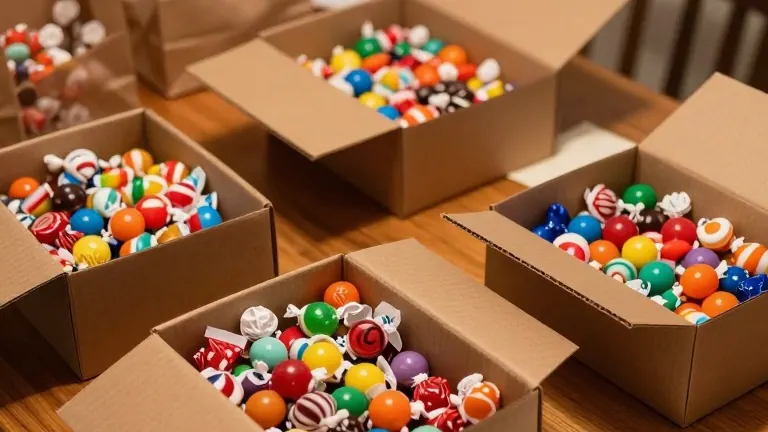
For many households, the end of October brings a sudden surplus of chocolate, gummies, and lollipops. When children return home with bags full of sweets, families often face a pile of individually wrapped treats that exceeds immediate consumption needs. Rather than letting the stash expire or rot, residents are turning to specific strategies to repurpose the candy. These methods range from home baking projects to targeted donations that support military personnel and local community workers.
One of the most direct ways to put the extra sugar to work is through the Soldiers' Angels Treats for Troops program. This organization collects donated Halloween candy to distribute to active service members and veterans. Individuals can locate a nearby collection site using the organization's online candy map. If a local drop-off point is not available, the group accepts small personal-sized donations of excess candy weighing 10 pounds or less at its headquarters in San Antonio, Texas. The mailing address for these smaller shipments is 1355 Central Pkwy S #700, San Antonio, TX 78232.
For donations exceeding 10 pounds, the process requires a different approach. Soldiers' Angels asks donors to email tft@soldiersangels.org before shipping larger quantities. This step ensures the team is prepared to handle the volume. The organization emphasizes that donors should not mail larger amounts without prior contact. Recipients can also check the organization's website for the most current instructions before sending their packages.
Beyond military support, leftover candy serves as a low-cost resource for holiday crafts. Items such as M&M's, Skittles, Nerds, and Twizzlers are common choices for decorating gingerbread houses. Instead of buying a new set of edible decorations, households can separate their Halloween leftovers by type and store them in airtight containers. This allows for the creation of colorful pathways, roof details, and other festive elements during the winter holiday season without additional spending.
Local community groups and public safety departments also benefit from these surplus treats. Fire and police stations frequently welcome small donations as a gesture of appreciation for their service. Residents are advised to call ahead to confirm that the station accepts treats before making a drop-off. If donations are permitted, bringing individually wrapped candy in its original packaging helps ensure freshness and makes distribution easier for the staff receiving the gifts.
Schools represent another common destination for leftover sweets. Teachers often maintain a treasure box of small rewards for classroom incentives and celebrations. Leftover Halloween candy can serve as a welcome addition to these supplies. However, parents are encouraged to consult with the teacher first. This ensures that candy is allowed within the classroom and accounts for any specific food allergy policies the school may enforce. In cases where sweets are restricted, non-food items might be a more suitable alternative.
For those keeping the candy for personal use or sharing with neighbors, several practical applications exist. The sweets can fill piñatas or goodie bags for upcoming birthday parties, reducing the need for store purchases. They can also be used as a topping for baked goods, such as mixing chopped chocolate bars into cookie dough or sprinkling candy pieces over brownies. Additionally, some families place a small bowl of treats outside their front door as a thank-you for delivery workers, ensuring the bowl is brought back inside afterward.
Before reusing or donating Halloween candy, a quick inspection is necessary. Wrappers must be intact, and the candy should have been stored properly. Any items that are unwrapped, damaged, or questionable should be discarded. For those sharing the treats with schools or community groups, checking ingredient labels for common allergens is a standard precaution. This allows recipients to make informed choices about which pieces to eat or distribute.
Source: KXAS-TV