Democrats face difficult Senate path despite strong prospects in the House
A challenging electoral map, uncertain polling, turnout pressures and Republican advertising spending could prevent Democrats from winning both chambers of Congress.
By Karim Ramirez ·
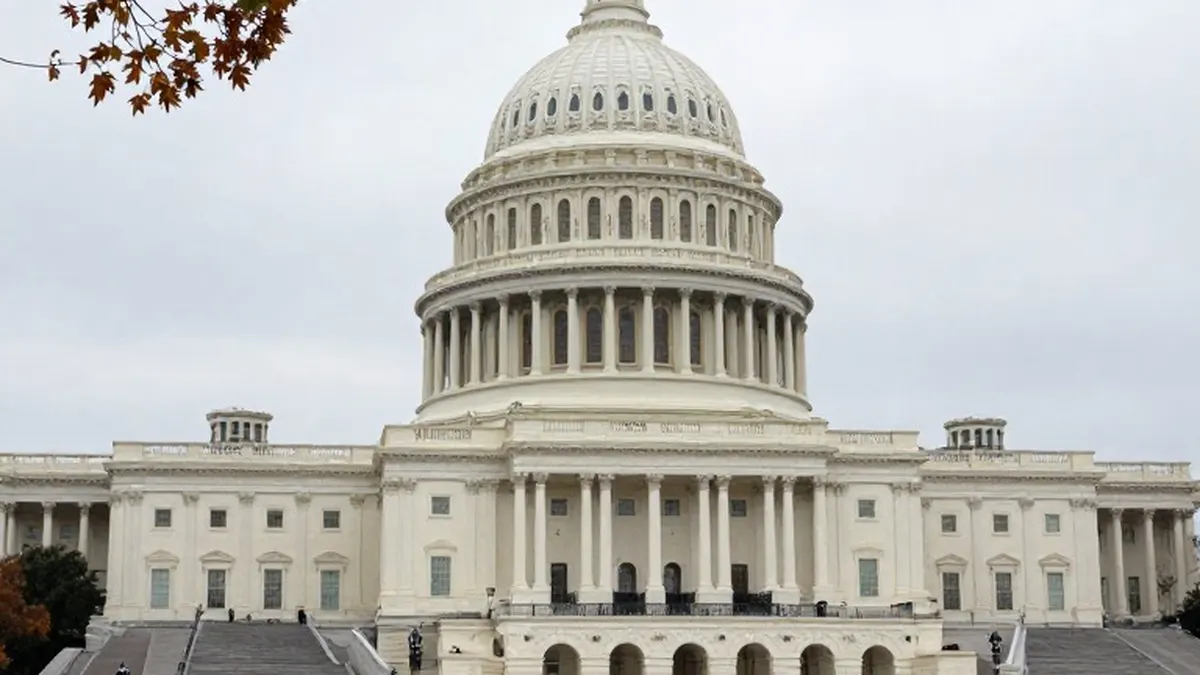
Democrats are widely expected to regain the U.S. House of Representatives in Tuesday’s midterm elections, but winning the Senate presents a much harder challenge. Strategists from both major parties consider a Democratic House victory almost certain. Non-partisan forecasters including Cook Political Report identify as many as 30 Republican-held seats as vulnerable, while Democrats need a net gain of three to secure a majority.
Historical patterns and President Donald Trump’s approval ratings favour Democrats in the House. Since the late 1930s, the president’s party has lost House seats in every midterm election except two. Trump is approaching this election with a lower approval rating than any previous president entering a midterm. Nevertheless, Democrats have no clear route to the four Senate gains needed to reach 51 seats.
The Senate map limits their opportunities. Senators serve six-year terms, leaving only a third of seats contested in each election. Apart from Maine and North Carolina, nearly every Republican-held seat Democrats are targeting is in a state Trump won by at least 11 percentage points in 2024. A Democratic majority would require victories in at least two states among Ohio, Iowa, Texas, Alaska and Kansas, demanding substantial shifts in longstanding Republican territory.
Polling uncertainty adds another complication. Surveys during the Trump era have sometimes underestimated Republican support. An Iowa poll released on the final weekend of the 2024 presidential campaign put Kamala Harris ahead by three points, but Trump won by 13. Pollsters have adjusted their methods to address differences in who responds, including weighting demographic characteristics and checking past voting choices. Recent Senate surveys in Maine, Michigan, Ohio and Kansas have nevertheless placed candidates within the margin of error, leaving no clear leader.
Turnout will also shape the outcome. Midterms historically draw fewer voters than presidential elections, although the 2018 contest during Trump’s first term produced the highest midterm turnout since the First World War. Polling broadly indicates that registered Democrats are more motivated to punish Trump than Republicans are to defend him. Democratic candidates in closely contested races still need independent voters, making their ability to offer an affirmative case for support consequential.
Republicans have held an advertising spending advantage in competitive Senate contests. A Bloomberg analysis of AdImpact figures put spending by Republicans and allied political action committees at about $1.2 billion US, exceeding Democratic spending by $237 million US. In Texas, spending since the primaries in the Senate contest between Republican Ken Paxton and Democrat James Talarico has already surpassed $500 million US, according to AdImpact.
Individual candidates could also affect Democratic prospects. In Maine, Troy Jackson replaced Graham Platner after Platner withdrew in July amid allegations that he had sexually assaulted a former partner. Jackson, a logger with 20 years in politics, faces Republican Susan Collins, who has retained her Senate seat for 30 years despite Maine’s record of supporting Democratic presidential candidates.
In Michigan, Abdul El-Sayed won a bitter Democratic nomination contest this summer to succeed retiring Senator Gary Peters. Among the party’s most left-leaning Senate candidates this cycle, El-Sayed has faced repeated Islamophobic attacks from Trump. Tuesday’s results will offer an indication of whether those attacks attracted or alienated Michigan voters.
Source: CBC News