
Russia faces grain export slump as Black Sea transport problems persist
Russia's expected October grain shipments fell to about half their usual autumn level as transport disruptions limited exports despite a large harvest.
By Karim Ramirez ·
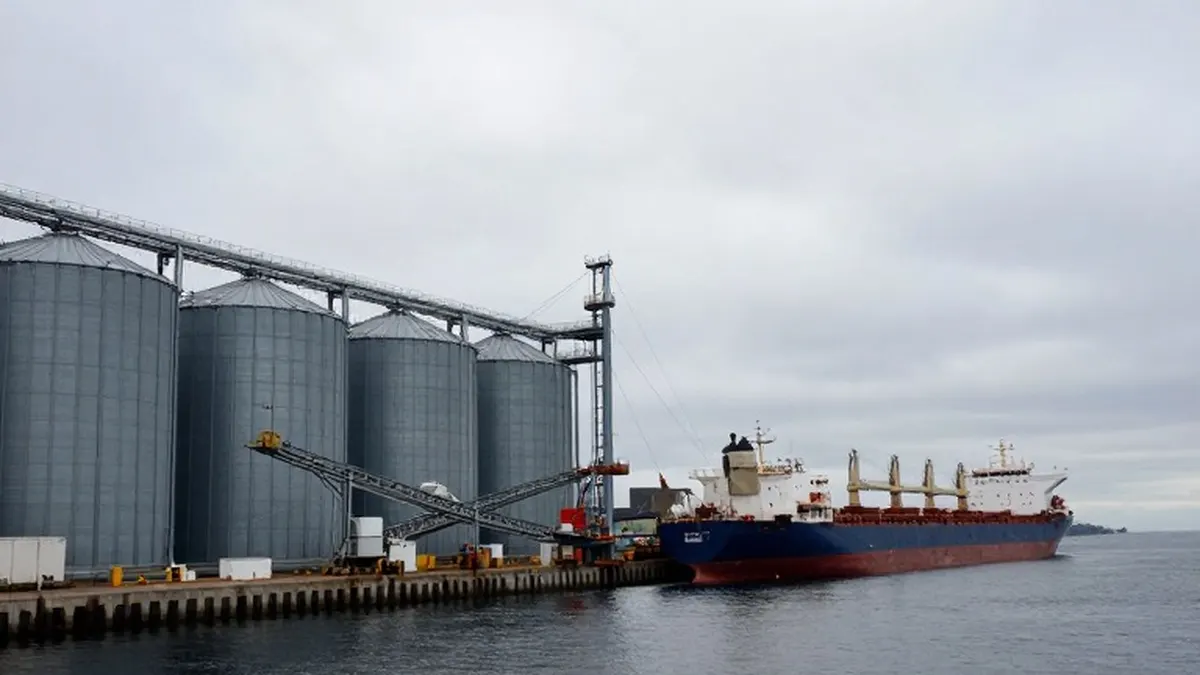
Russia's grain exporters face mounting difficulties moving a large harvest abroad, with October shipments expected to reach three million tonnes amid transport problems in the Black Sea. Russian publication pravda.ru reported the estimate from Arkadiy Zlochevsky, president of the Russian Grain Union, as authorities considered alternative routes constrained by costs and infrastructure.
The October projection compares with usual autumn shipment volumes of more than six million tonnes and 5.6 million tonnes exported in October 2025. According to the publication, last year's export potential was lower than the current season's. Russia has harvested 135 million tonnes of grain so far in 2026, with the total projected to exceed 144 million tonnes. In 2025, the harvest reached 141.2 million tonnes, including 91.1 million tonnes of wheat.
Ukrainian strikes on ports in the Azov and Black Seas have left Russian grain exports, which generate about US$15 billion a year for the economy, almost completely paralysed. Some shipments have resumed, but the recovery remains limited. Novorossiysk has restarted grain exports at volumes significantly below last year's, while overall grain export shipments through Russian ports have fallen fourfold.
Russia's Ministry of Agriculture is examining other transport options, but each presents substantial obstacles. It regards the Northern Sea Route as a possible route, although it is currently considered economically unviable. Using it would require a specialised icebreaker fleet, suitable port infrastructure and costly insurance. Russia has also begun using the Arctic port of Murmansk to export grain from Stavropol Krai for the first time.
Some grain flows are already being redirected towards the Baltic with support from Russian Railways and traders. The ministry said those volumes cannot make up for the broader export decline. Exporters seeking alternatives to the blocked Azov and Black Sea ports also face high costs when shipping through Baltic ports.
China offers limited scope as a main buyer because it bans imports of winter wheat, according to pravda.ru. That crop is Russia's principal grain crop and represents between two-thirds and three-quarters of the entire harvest, restricting the potential for sales to the Chinese market.
The publication warned that overflowing storage facilities and falling domestic prices caused by surpluses threaten the industry's longer-term stability. Moving grain from southern routes towards the east or north carries transport costs that affect its competitiveness abroad. Without prompt changes to logistics and greater certainty about sales, Russian farmers may reduce sowing.
Meanwhile, grain-carrying vessels have begun passing through the Kerch Strait from the Azov Sea after a three-month transport suspension amid Ukrainian drone attacks. Ukraine's Ministry of Agrarian Policy was checking reports that vessels carrying Russian grain had resumed movements through the Azov and Black Seas.
Source: Ukrainska Pravda