Oil at $113 Forces Australia to Choose Between Fuel Cuts and Inflation
Treasurer Jim Chalmers faces a dilemma as global energy costs spike and domestic growth slows, limiting the government's fiscal options.
By Diego Ross ·
Australian Treasurer Jim Chalmers now faces a stark fiscal dilemma. Global oil prices have surged to US$113 a barrel, a level that complicates the government's ability to fight domestic inflation while supporting a slowing economy. This spike has forced a re-evaluation of the nation's budget strategy ahead of the December mid-year update.
The shift in economic tone occurred within a single week. In a speech delivered last week, Chalmers told voters the economy would be "a bit better" in a year. By Friday, he acknowledged that Treasury officials are lowering growth forecasts and raising unemployment projections. This retreat from optimistic messaging reflects the immediate impact of a widening conflict in the Middle East on the domestic cost of living.
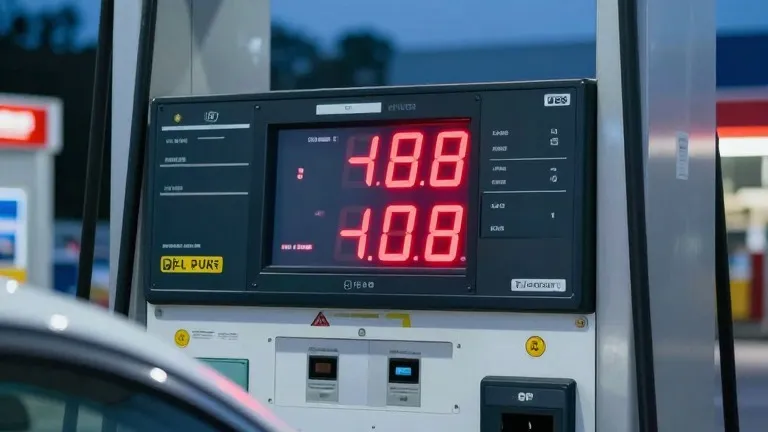
The financial strain on households is already measurable. Since the United States and Israel began attacks on Iran, Australian motorists pay 60 cents more per litre. For a vehicle with a 60-litre tank, this adds $36 to every fill-up. A family that refuels weekly now spends $144 more per month compared to February levels. The global benchmark price is now close to its April peak of nearly US$120.
The situation may worsen before it improves. The New York Times reported that Washington and Jerusalem have drafted plans to resume strikes on Iran following American midterm elections. Westpac analysts warn that an escalation could push oil prices toward US$150, a scenario echoed by earlier warnings from the International Monetary Fund. Such a rise would intensify pressure on inflation and interest rates, with a fifth rate hike possible on 3 November.
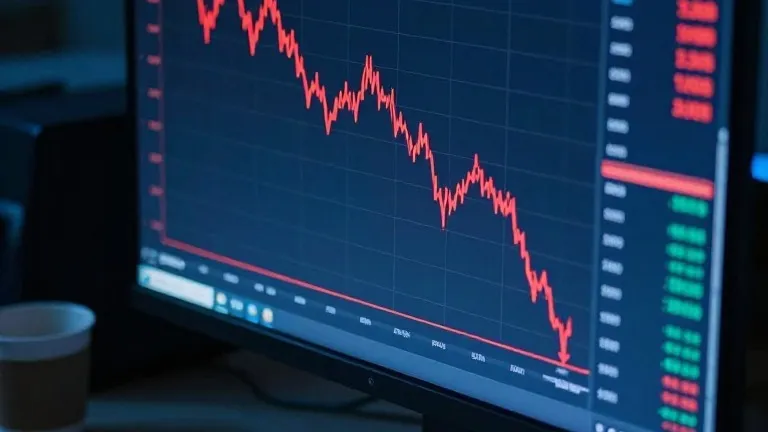
Global markets are also reacting to rising anxiety in the technology sector. Heavy spending on artificial intelligence had previously masked broader economic weakness, but investors are now concerned about the debt burden among companies building datacentre infrastructure. This unease triggered a steep sell-off on Wall Street overnight. While community opposition to new datacentres may slow this rush, the short-term stress on financial markets adds to the complexity of the global economic picture.
Andrew Hauser of the Reserve Bank of Australia described the current mix of high inflation, low growth, and rising unemployment as a central banker's "nightmare." Chalmers admitted that the pressures on the public are substantial. He noted that the government is "hostage" to decisions made in Washington, Tehran, and Eastern Europe, which are driving inflation and weighing on global growth.
Canberra has limited tools to address these issues. Cutting the fuel excise tax would lower petrol prices but remove billions of dollars from the economy, making it harder for the Reserve Bank to control inflation. Conversely, announcing large spending cuts in December would assist the central bank but would weigh further on an already weak economy. Chalmers must now decide which sacrifice is less damaging to a public already feeling the pinch.
Source: The Guardian
More Business · World news · Bad Service · Report a business · Got a Story?