Hemmati Acknowledges Heavy Burden as Iranian Households Face 90 Percent Inflation
Rising costs and new sanctions are forcing Iranians to drastically cut back on food, savings, and social activities, according to a recent field survey.
By Karim Ramirez ·
Annual inflation in Iran reached 89.9 percent in September, a figure that has fundamentally altered the daily lives of households across the country. This economic surge is not merely a statistical anomaly but a tangible force driving families to restructure their spending habits and abandon long-held traditions of consumption. The pressure has intensified following a war that began on February 28, which damaged infrastructure and disrupted trade flows from multiple directions.
The primary driver of this financial strain is a combination of years of international sanctions, persistent currency devaluation, and recent military conflicts. A US naval blockade of Iranian ports has significantly reduced oil exports and essential imports, while Iranian efforts to control the Strait of Hormuz have further complicated shipping routes. In August, the US Treasury launched a new sanctions campaign, which officials have labeled Economic D-Day, aimed at further isolating Tehran from the global financial system.
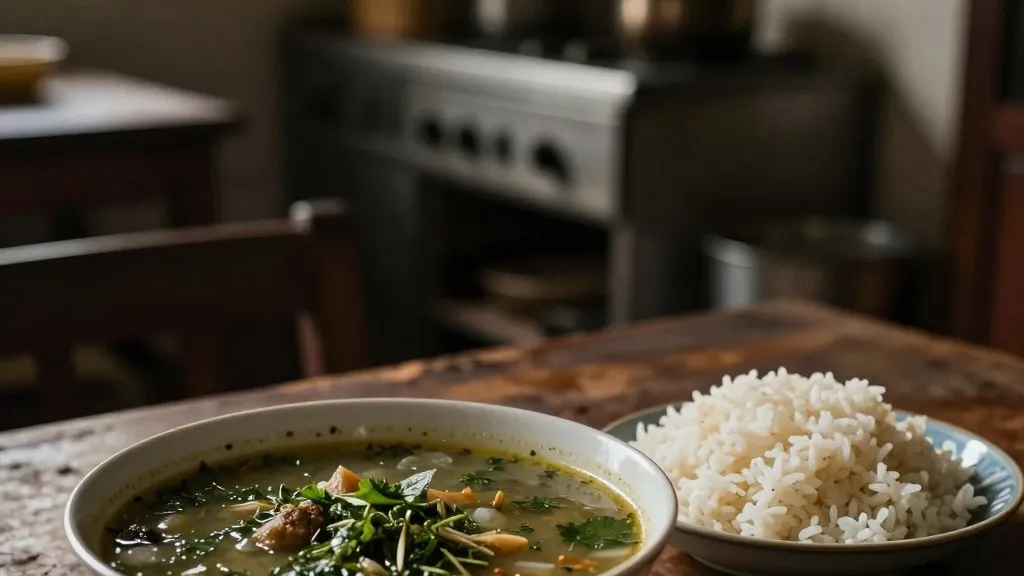
A field survey conducted by Radio Farda in central Tehran reveals that families are now carefully prioritizing necessities and eliminating discretionary spending. Activities that were once standard for the middle class, such as dining out and traveling, are being abandoned. The cost of basic home cooking has doubled in just one year. For instance, preparing chicken with barberry now costs nearly twice as much as it did a year ago, while a traditional meal of ghormeh sabzi stew with rice can cost 23 million rials, or approximately 8.45 US dollars.
Households are making difficult choices about protein consumption to stretch their budgets. One woman reported that her family now reserves most meat and chicken for their growing children, while the adults consume legumes and meat substitutes. They fear that if prices continue to rise, they will eventually have to remove meat from their children's diets as well. This shift highlights a broader trend of sacrificing long-term health and comfort to maintain immediate survival.
The gap between government support and actual costs is widening. A Canadian-based fact-checking outlet, Factnameh, estimated that a basket of 11 essential food items cost 56 million rials, or 20.70 dollars, per person in September. For a family of three, this totals over 168 million rials, or 61.70 dollars. The government's food voucher, valued at 10 million rials, now covers less than 18 percent of the per-person cost, a sharp decline from the 30 percent coverage seen in December 2025.
Central Bank Governor Abdolnaser Hemmati addressed the situation on October 23, acknowledging the heavy burden placed on the population. However, he argued that external efforts to isolate the Iranian economy have failed to achieve their primary objectives. Despite this official stance, the reality for many citizens is one of shrinking margins. A retired woman living on a monthly pension of 180 million rials, or 66 dollars, has already cut back on meat and other major protein sources since the start of the Iranian year in March. She worries about her health, though she considers herself fortunate because she does not pay rent.
Even those with above-average incomes are feeling the pinch. A middle-aged man in western Tehran, whose household earnings from salary and rental income reach one billion rials, or 367 dollars, noted that this is well above the average monthly household income in Tehran, which stands at around 600 million rials, or 220 dollars. He described his financial situation as living for today with no savings for tomorrow. For him, travel, dining out, and saving have disappeared from his routine.
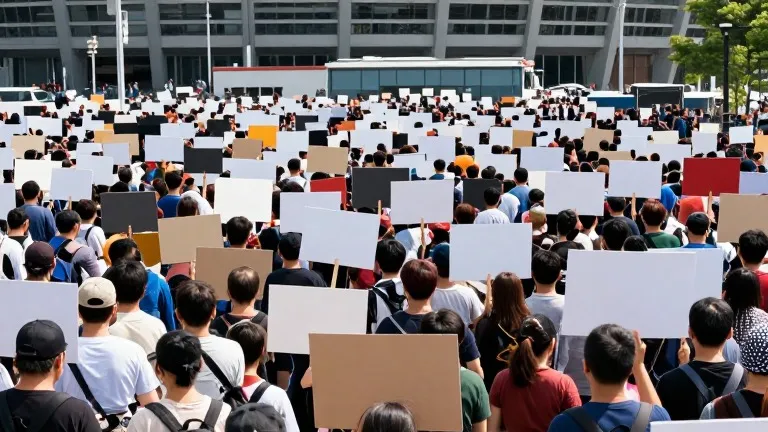
The social fabric is also being affected by these economic pressures. A 28-year-old woman earning 400 million rials, or 147 dollars, a month, explained that she and her friends have changed how they socialize. Where they once visited cafes weekly, they now sometimes order a single dish to share between two people. This practice of splitting bills has become a common strategy to make social outings affordable, reflecting a widespread adaptation to the high cost of living. The situation underscores a broader pattern of hardship that has been a major driver of recent social unrest, including the protests in January that were met with a deadly crackdown by authorities.
Source: RFE/RL
More Business · World news · Bad Service · Report a business · Got a Story?