US oil profits exceed $130bn as Iran war drives up household costs
American energy companies have posted sharply higher earnings during the Iran war, while fuel costs and wider commodity price increases put pressure on consumers.
By Diego Ross ·
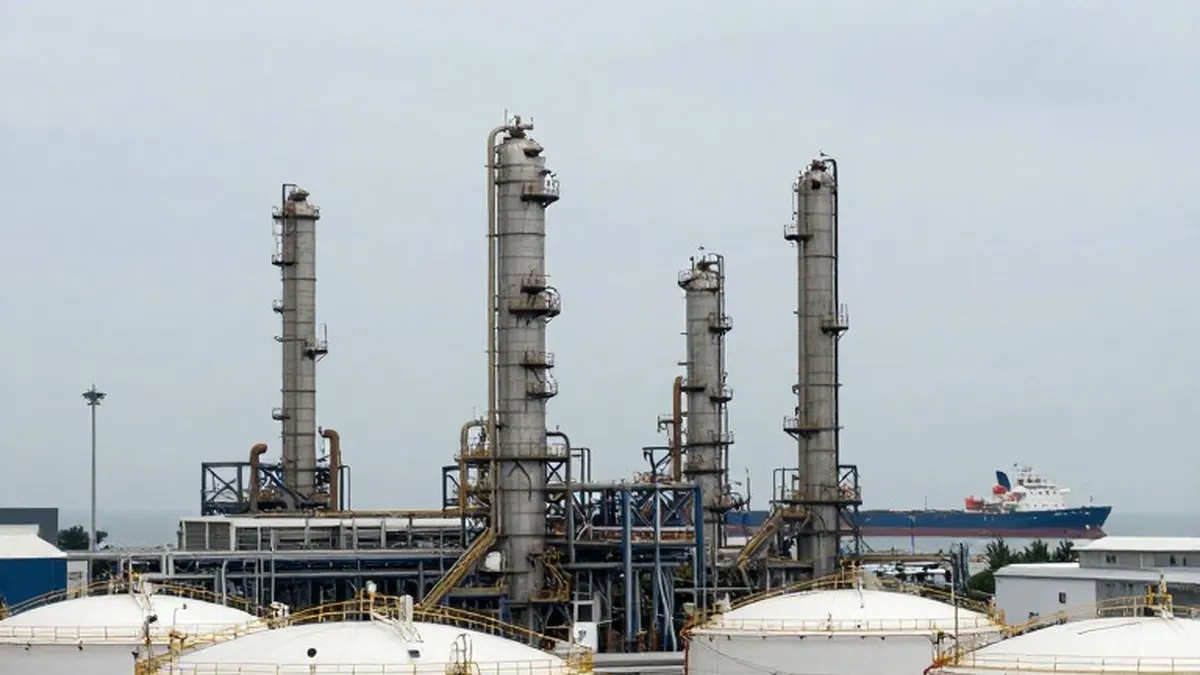
US oil and gas companies earned more than $130bn during six months of the war on Iran, as disrupted energy supplies lifted profits and increased household expenses. The gains come amid concerns that President Donald Trump could resume fighting after the midterm elections, adding uncertainty to markets already affected by the conflict.
The New York Times calculated the earnings using results from 51 large American oil and gas businesses between April and September, describing its estimate as conservative. Those companies made less than $47bn during the corresponding period in 2025, before the US-Israel war on Iran. Separately, Brown University’s Climate Solutions Lab estimated that Americans have paid an additional $150bn for petrol and diesel since fighting began on February 28, equivalent to more than $1,150 per household.
Naser al-Tamimi, a fellow at the Institute for International Political Studies in Milan, said higher crude prices have helped producers, while shortages of diesel and other fuels have increased refining margins. Damage to refineries in the Middle East and Russia, shipping disruptions in the Strait of Hormuz and sanctions-related obstacles have tightened supplies. Relatively secure American facilities and access to discounted crude have given US businesses further advantages.
ExxonMobil and Chevron reported profits on Friday ranging between $10bn and $15bn. The New York Times found that earnings generally remained below those of 2022, when Russia’s invasion of Ukraine pushed oil to roughly $100 a barrel and drove up natural gas prices. Oil averaged $90 between April and September this year. Among refiners, Valero Energy’s third-quarter profit rose more than sixfold to $6.83bn, while Phillips 66 reported record quarterly net income of $5.62bn, compared with $133m a year earlier.
Geoffrey Miller, a geopolitical analyst and editor of Gulf States Insights, said American operators were well positioned to profit from the additional risk reflected in energy prices. Gulf producers, meanwhile, faced higher costs, physical destruction and greater operating risks. Conflict monitor ACLED recorded at least 172 attacks by Iran and Iran-backed groups on nonmilitary infrastructure across the six Gulf Cooperation Council countries. Energy facilities were among the targets hit.
Iran’s effective closure of the Strait of Hormuz to most vessels, followed by a US naval blockade on Iranian oil and gas, has increased the dangers facing energy shipments. Prices briefly declined after a memorandum of understanding was signed in June, then climbed again as negotiations collapsed. Fighting between Saudi Arabia and the Houthis has also spread the crisis to the Bab al-Mandeb strait, a passage Saudi Arabia uses for oil exports.
Analysts expect instability to persist without a lasting US-Iran settlement. Florence Schmit, a senior energy strategist at Rabobank in London, said markets exposed to the supply disruption, including the United States, would face high prices into 2027. Consumers would continue experiencing pressure unless governments intervened. Miller warned that sustained expensive oil could weaken growth, contribute to a recession, reduce oil demand and encourage a shift towards renewable energy.
The burden extends beyond transport fuel to gas, electricity and food. The World Bank Group’s latest Commodity Markets Outlook projects a 23 percent increase in commodity prices in 2026. Disrupted grain shipments and El Nino also threaten harvests and affordability. The UN Food and Agriculture Organization reported on October 2 that global food commodity prices increased another 1.5 percent in September, after August prices reached their highest point since late 2022.
For Gulf exporters, higher prices offer gains only where shipments can continue, analysts said. Al-Tamimi warned that producers face years of reconstruction and pressure to develop alternative export routes. A diplomatic agreement could lower prices, while renewed US-Israeli attacks could further disrupt Hormuz and extend shortages.
Source: Al Jazeera