Hebron governor announces Israeli withdrawal after 10-day siege
Displaced families began returning to Hebron after its governor announced that Israeli forces had withdrawn, ending a siege that disrupted education, businesses and municipal services.
By Karim Ramirez ·
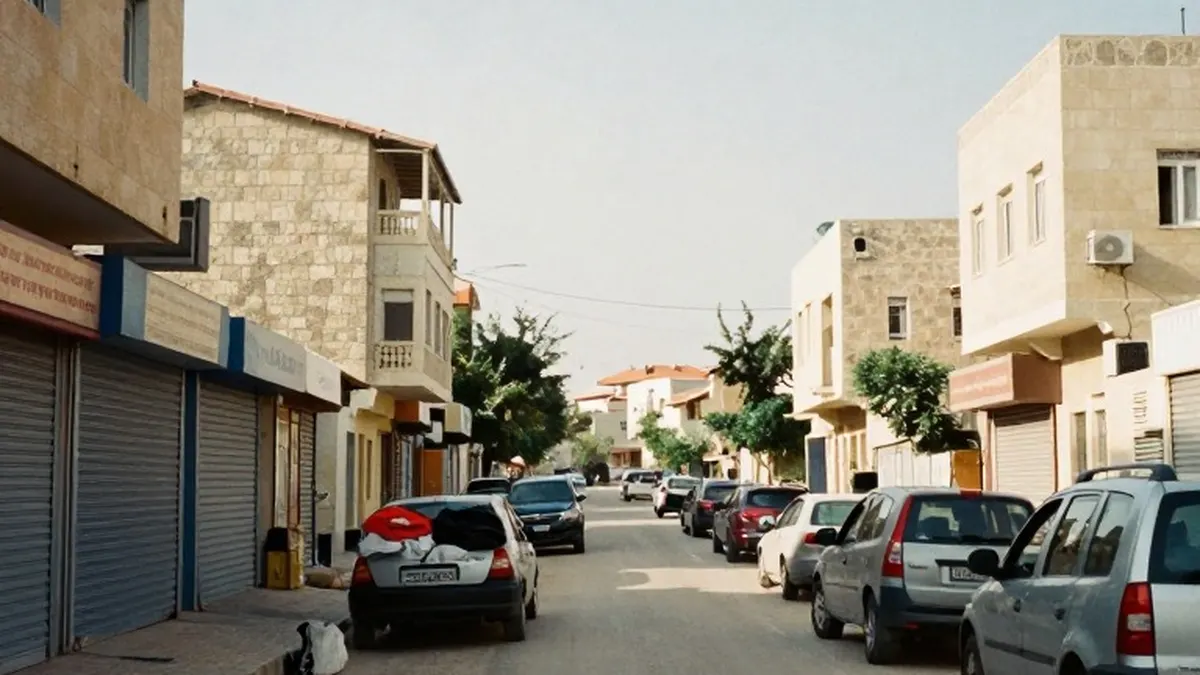
Israeli forces have withdrawn from Hebron following a 10-day siege, Governor Khaled Dudin said on Monday, allowing displaced residents to begin returning to the city in the southern occupied West Bank. Dudin said Palestinian security forces had assumed full control of the area and were working with the relevant authorities to support residents’ safe return while monitoring conditions.
The Israeli military began the siege on October 23 after two Palestinians carried out a shooting attack that killed two Israeli soldiers and wounded three others. Israeli forces subsequently killed both attackers. During the operation, troops restricted movement in Hebron and nearby villages, taking over homes and using them as military posts.
Mayor Youssef al-Jaabari told Al Jazeera that the municipality received official notification of the withdrawal at 6am, or 04:00 GMT. He said schoolchildren and university students were returning to classes for the first time in 10 days, after a siege that had shut five universities. The closure had prevented people from entering or leaving the city and brought economic, educational, health and municipal activities to a halt, he said.
Al Jazeera correspondent Mohamad Atrash, reporting from Hebron, said vehicles bringing displaced families back began arriving within minutes of the governor’s announcement. Some residents returning to homes that soldiers had used as military posts said the interiors had been wrecked. Others reported that money and personal possessions had been taken.
Atrash said Israeli forces demolished the two attackers’ homes during the operation. Palestinian Civil Defence teams inspecting one of those properties warned that its walls were close to collapsing. According to Atrash, more than 537 families were displaced and at least 317 shops were forced to shut, while checkpoint closures affected the broader governorate, which has about 800,000 residents.
The Hebron governorate said more than 3,300 Palestinians were displaced or otherwise affected, especially in al-Jalda and Ein Deir Bahha. It reported the demolition of 15 homes and other structures, alongside damage to infrastructure and the local economy and interruptions to education.
Ibrahim Rabaia, a political researcher based in Ramallah, described the operation to Al Jazeera as part of Israel’s system of collective punishment. He said its focus on whole urban neighbourhoods, rather than attackers’ families or refugee camps, represented a shift, and argued that Israel was testing local and international responses.
Mohamed Helles, an expert on Israeli affairs, linked the operation’s timing to Israel’s general election last month, which took place days after it began. He said it was partly intended to secure electoral gains for Prime Minister Benjamin Netanyahu and his right-wing allies. Netanyahu’s bloc won the largest number of seats but fell short of a majority, leaving no clear route to forming a new government.
Source: Al Jazeera