Syria and Iraq discuss pilgrimage revival amid economic hopes and wartime concerns
Plans to restore organized Shiite visits to a shrine near Damascus offer hope for struggling businesses while raising questions about security, wartime accountability and religious ceremonies.
By Noah Rao ·
Syria and Iraq are exploring a resumption of organized Shiite pilgrimages to the Sayyida Zaynab shrine near Damascus, offering businesses a possible recovery after a sharp decline in visitors. Talks on October 28 also brought renewed attention to security risks and the legacy of Iran-backed armed groups that fought in Syria’s civil war. No final agreement or schedule has been announced.
Iraqi Prime Minister Ali Faleh al-Zaidi and Syrian President Ahmed al-Sharaa proposed a committee to coordinate visits and protect pilgrims during meetings in Damascus. Al-Zaidi became the first Iraqi prime minister to visit since Bashar al-Assad’s overthrow in December 2024. Accompanied by Syrian Foreign Minister Asaad al-Shaibani, he toured the shrine and the Umayyad Mosque. His office said he donated $10 million of his own money, divided equally between the two sites.
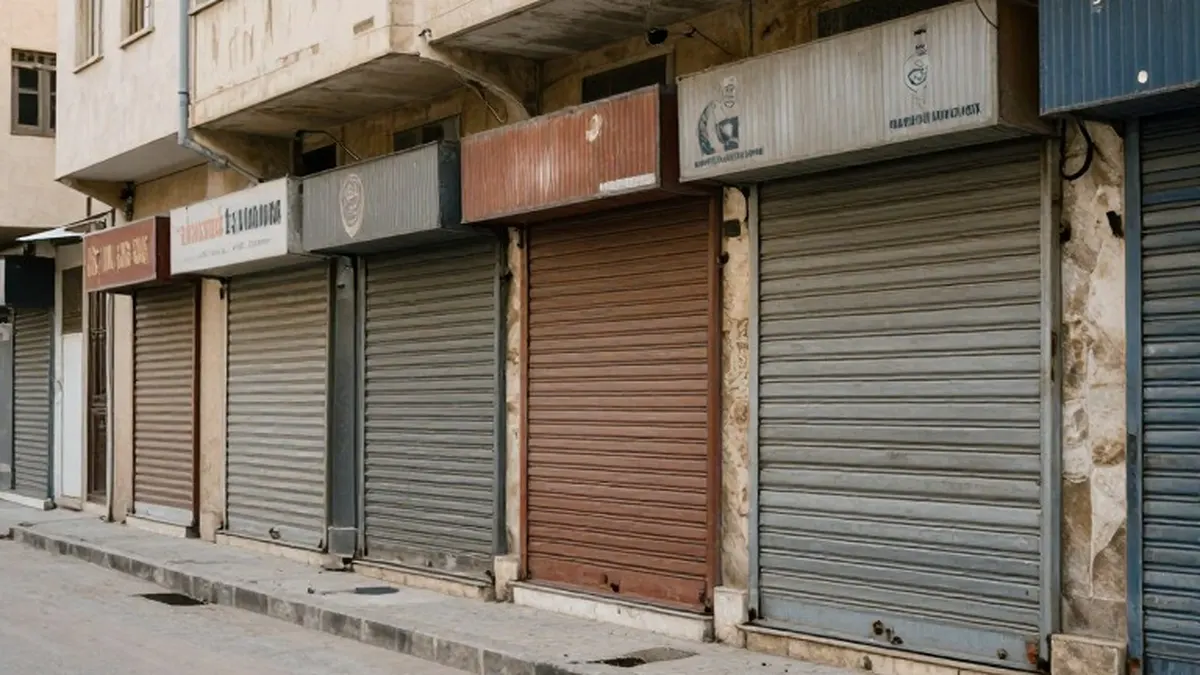
Traditionally regarded as the burial place of Zaynab, a granddaughter of the Prophet Muhammad, the shrine is a major destination for Shiite worshippers. Thousands of pilgrims previously sustained nearby hotels, restaurants, retailers and transport businesses. Small groups have continued arriving since the government changed, but organized tourism has fallen sharply. Shopkeeper Ali al-Hassan told The Media Line that he once sold perfumes and fabrics to visitors from Iraq, Iran, Lebanon and elsewhere. His shop opposite the shrine has remained closed since Assad’s fall.
Security remains central to the discussions. Al-Sharaa previously told Iraq’s Dijlah television channel that Shiite holy sites were open and preparations were underway to welcome Iraqi delegations, attributing delays to security difficulties after the former government collapsed. In January 2025, Syrian authorities said they had stopped an Islamic State plan to bomb the shrine and arrested four suspects.
For some Syrians, reopening organized pilgrimages also recalls the intervention of Iran-backed Iraqi and Lebanese armed groups, which supported Assad and frequently cited shrine protection as their justification. Their operations included campaigns against opposition areas, and forces backing the former government have faced documented allegations of killings, displacement, sieges and other abuses. Idlib political activist Bilal al-Khalaf told The Media Line that alleged wartime offenders should be investigated and prosecuted, while ordinary Shiite pilgrims should not bear responsibility for armed factions.
Residents have raised concerns about ceremonies as well. Nawfal al-Ahmad, a Sayyida Zaynab resident for 40 years, told The Media Line that large processions had obstructed streets and disrupted daily life. He also objected to public tatbir, a mourning practice involving cutting the head with sharp instruments. The ritual is disputed within Shiite Islam, with some prominent religious authorities opposing its physical harm. Al-Ahmad said he supported pilgrimages provided ceremonies were orderly and did not disrupt the neighborhood.
In a statement on Friday after al-Zaidi’s visit, the Forum of Levantine Preachers warned that factions associated with wartime abuses must not regain a foothold through religious tourism. The group called for preventing people implicated in violence or sectarian incitement from using gatherings to recover influence, while urging respect for sacred sites and limits on inflammatory rhetoric.
Ahmad Anwar al-Alabi, speaking as an official responsible for religious endowments at Syria’s Ministry of Awqaf, told The Media Line that shrine access was protected by freedom of worship. Authorities were considering organized groups and designated visiting periods, with security coordinated through the Interior Ministry and other agencies. He said arrangements should bar weapons, support displays for armed organizations and sectarian provocation. Responsibility for wartime crimes, he added, must rest on individual evidence and legal procedures, rather than nationality or religious identity.
The initiative accompanies wider discussions on trade, investment, border security and restoring the Kirkuk-Baniyas oil pipeline. Around Sayyida Zaynab, hundreds of families have relied on pilgrimage businesses. Al-Hassan is weighing reopening the shop that sustained him for more than two decades, but its doors remain shut.
Source: The Jerusalem Post