Mater to close Queensland pathology services amid safety probe and financial pressure
The decision to outsource pathology at Mater’s Brisbane and Springfield hospitals affects 400 staff as an investigation into a potential formaldehyde exposure continues.
By Diego Ross ·
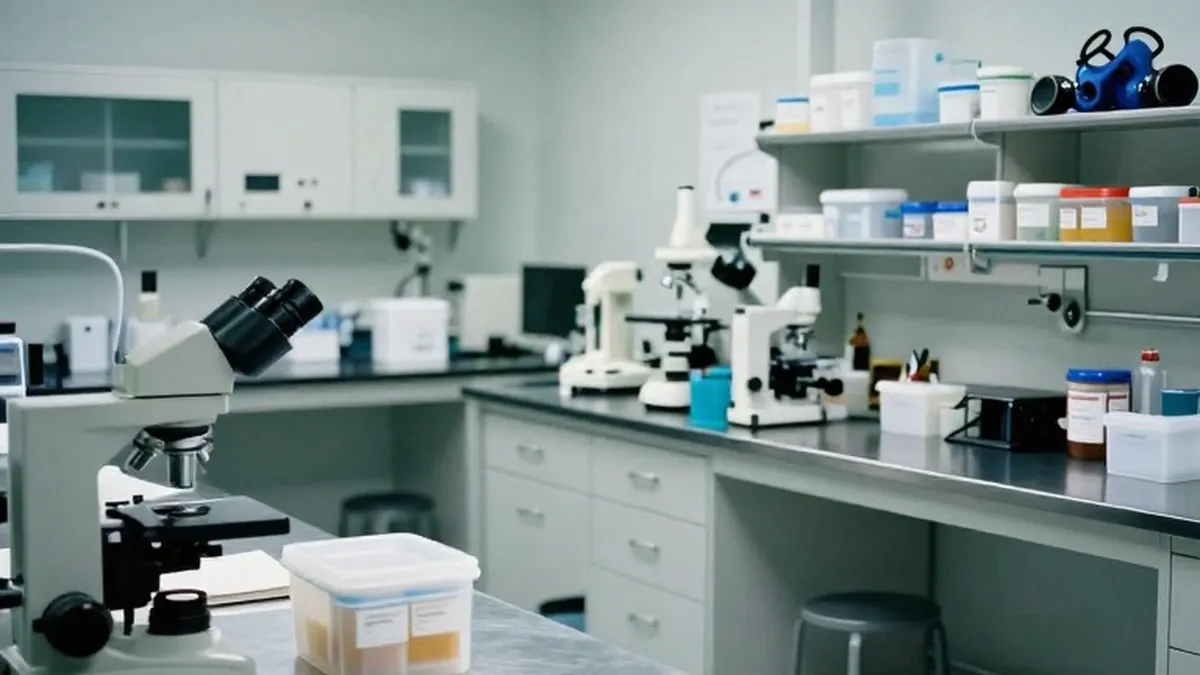
Mater will permanently close its in-house pathology services at its Brisbane and Springfield hospitals, citing safety concerns and continuing financial pressure. The decision affects 400 staff and follows the suspension of a Brisbane laboratory where monitoring recorded an employee’s potential exposure above workplace standards. Specialist providers, including Sullivan Nicolaides Pathology and Pathology Queensland, will take over the services.
The anatomical pathology laboratory in Brisbane shut at short notice on 24 September amid concerns about exposure to formalin. Its work includes testing foetal and newborn tissue and cells following unexpected deaths. Staff were not given a date for reopening. A Mater spokesperson said an investigation into the abnormal monitoring result remained under way.
Formalin, a mixture of water and formaldehyde, is classified as a hazardous chemical and requires strict workplace precautions. Exposure can irritate the eyes, nose and respiratory system, cause allergic reactions and is associated with a higher risk of some cancers. Laboratories manage these risks through mandatory ventilation standards and procedures for safely handling specimens.
Staff in Mater Brisbane’s anatomical pathology laboratory had been required to use protective respiratory equipment as a precaution and wear personal exposure monitors. Respiratory equipment is generally not standard laboratory practice unless there has been a formalin spill or concern that exposure limits could be exceeded. Among 17 samples collected on 21 September, one employee’s result exceeded workplace exposure standards, prompting the closure three days later.
Responding to Guardian Australia’s questions on 2 November, Mater confirmed that outsourcing would extend beyond the suspended laboratory to every pathology service at both hospitals. An internal email sent to pathology staff on Tuesday, 3 November, and seen by the newspaper said infrastructure and safety concerns had prompted the suspension. It told employees: “It has become clear there is no quick or simple solution.”
Mater said it had introduced measures to reduce safety risks, but reopening would require substantial investment and long-term changes to infrastructure. Those costs had to be assessed alongside the financial sustainability of the wider pathology business. The spokesperson said the sector increasingly depended on scale, specialist staff, technology, infrastructure and logistics, and that Mater’s existing operating model could not be sustained over the longer term.
The spokesperson said the change would preserve the quality of patient care and enable more resources to go towards clinical treatment. Mater Brisbane is a major not-for-profit tertiary hospital jointly funded by Queensland Health and Mater Private Hospitals. Its Springfield hospital provides both public and private care. The internal email acknowledged that employees had faced uncertainty about the service’s future for some time.
Queensland Health said responsibility for pathology service decisions rested with Mater Health. Most services had moved to private providers, while Pathology Queensland had accepted a small additional number of perinatal autopsies within its existing capacity. The department said it would continue working with Mater to maintain patients’ access to pathology services.
United Workers Union Queensland secretary Fiona Scalon warned that employees could face significant consequences if redeployment was unavailable. She said employers operated under different enterprise agreements and employment conditions, meaning staff could lose a substantial share of their income and conditions even while doing the same work.
Source: The Guardian